

Designing a custom home in Washington, DC requires careful attention to how tall the structure can be. While clients often focus on layout and square footage, height limitations can significantly influence both the exterior appearance and interior configuration of a home. Understanding DC height restrictions early in the planning process helps ensure the design aligns with local regulations while still achieving the desired look and functionality.
Why Height Limits Exist.
Height regulations in Washington, DC are intended to preserve the city’s character, protect sightlines, and maintain consistency within neighborhoods. These rules help ensure that new construction fits within the scale of surrounding buildings and does not overwhelm nearby properties.
They also play a role in maintaining access to natural light and air for neighboring homes. By controlling building height, communities can avoid overcrowding and preserve the overall feel of the neighborhood.
How Height Restrictions Affect Design.
Limits on building height can influence the number of floors, ceiling heights, and roof design. Clients may need to make strategic decisions about how space is distributed vertically, especially in areas where maximizing square footage is a priority.
Working within DC height restrictions often encourages creative design solutions. This may include optimizing floor layouts, incorporating usable attic or lower-level space, or designing rooflines that provide additional interior volume while remaining compliant. Careful planning can help the home feel open and spacious even within defined limits.
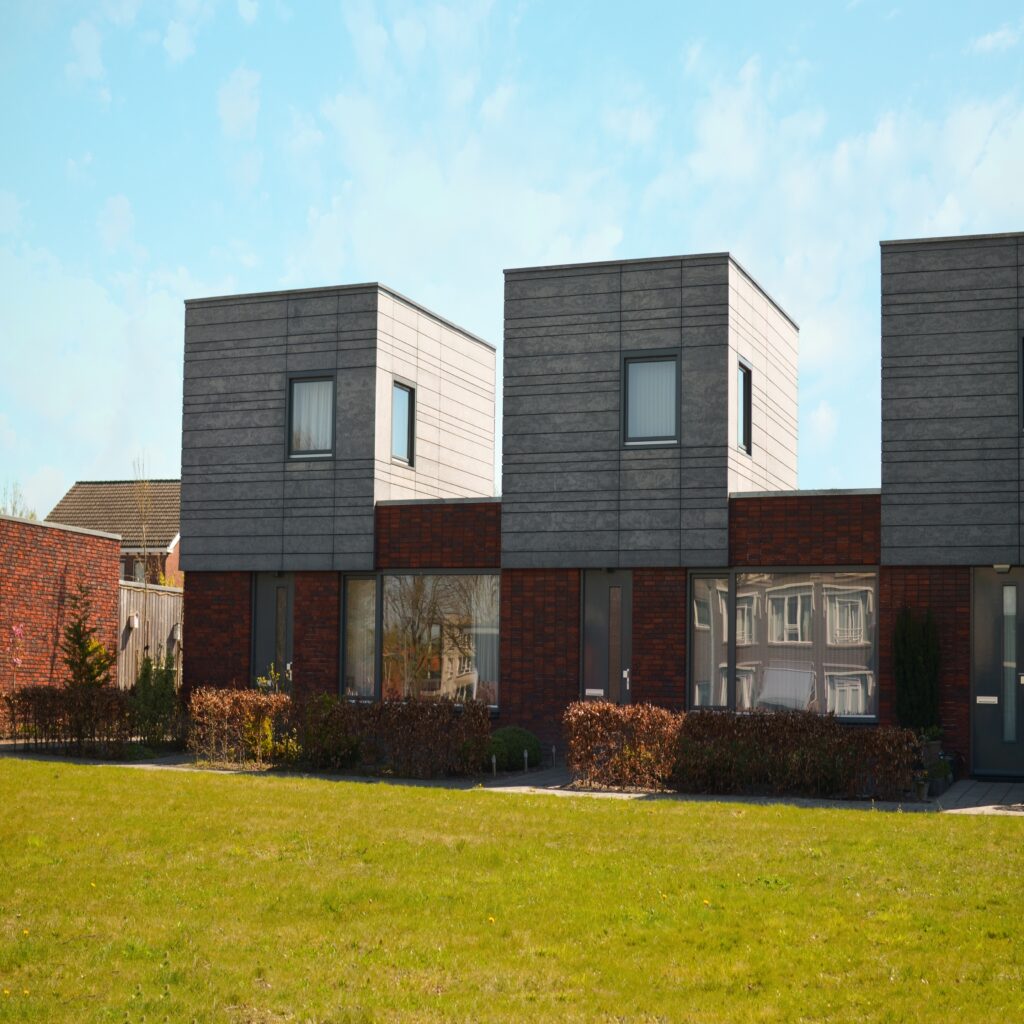
Zoning and Neighborhood Variations.
Height limits can vary depending on zoning classifications and neighborhood guidelines. Some areas may allow more flexibility, while others have stricter controls based on historical context or surrounding building patterns.
In certain neighborhoods, additional review boards may be involved to ensure new construction aligns with the character of the area. Understanding these variations early helps prevent design revisions and supports a smoother approval process.
Balancing Height With Other Design Constraints.
Height is only one part of a broader set of zoning requirements. Setbacks, lot coverage, and floor area ratios all work together to define what can be built on a property. Balancing these factors requires a thoughtful approach to ensure the home meets both regulatory requirements and the client’s goals.
By considering height alongside these other constraints, clients can achieve a well-proportioned design that maximizes usable space without creating conflicts during permitting.
Permitting and Approval Process.
Plans for new construction are reviewed by local authorities to confirm compliance with all applicable zoning and building codes, including height limitations. If a design exceeds allowable limits, it may require revisions or additional approvals, which can impact the project timeline.
Submitting clear and accurate documentation helps streamline the approval process. Projects that account for height limits from the beginning are more likely to move through permitting without delays.
Construction Considerations and Oversight.
Maintaining compliance does not end with approved plans. During construction, it is important to ensure that framing, rooflines, and finished elevations match what was submitted for approval. Even small deviations can create complications if they exceed allowable height limits.
A dedicated project manager provides consistent oversight, verifying that each phase of construction aligns with approved plans and addressing any issues before they become larger concerns.

Partnering With an Experienced Team.
As a full-service design-build firm, Winthorpe Design and Build incorporates height considerations into the earliest stages of project planning. By aligning design goals with regulatory requirements, the team helps clients make informed decisions that balance aesthetics, functionality, and compliance.
Clients benefit from having a single point of communication throughout the process, along with the assurance that experienced professionals are managing both design and construction details with care.
Building Within the Right Limits.
Height restrictions may seem limiting at first, but they provide a framework that supports cohesive neighborhoods and well-proportioned homes. When addressed early, these requirements can be integrated into the design without compromising the overall vision.
By planning with DC height restrictions in mind, clients can move forward with confidence, knowing their custom home will meet local guidelines while delivering the comfort, style, and performance they expect.