

Maryland home improvements can range from a focused kitchen renovation to a major addition or whole-home transformation. The most worthwhile projects typically address a genuine need, improve how the home functions, and fit the property’s architecture, condition, and long-term potential.
Choosing the right project starts with understanding what the home needs most. A kitchen renovation may solve an outdated layout, while an addition can provide much-needed living space. A coordinated renovation may make more sense when several areas of the home need improvement.
In Short.
Kitchen and bathroom renovations, additions, whole-home improvements, storage upgrades, energy-efficiency improvements, and outdoor living spaces can all add value to a Maryland home. However, there is no single improvement that guarantees a specific return. The home’s condition, location, project quality, and how well the improvement fits the property all influence its potential value.
What Home Improvements Add the Most Value?
- Kitchens and bathrooms: Improve frequently used spaces and everyday functionality.
- Additions: Provide additional living space when the existing layout is no longer sufficient.
- Whole-home renovations: Address multiple outdated or disconnected areas together.
- Quality construction: Durable materials and thoughtful design can provide lasting value.
- Existing conditions: The home’s age, layout, lot, and systems should influence the project.
- Long-term value: Comfort, functionality, and livability matter alongside resale potential.
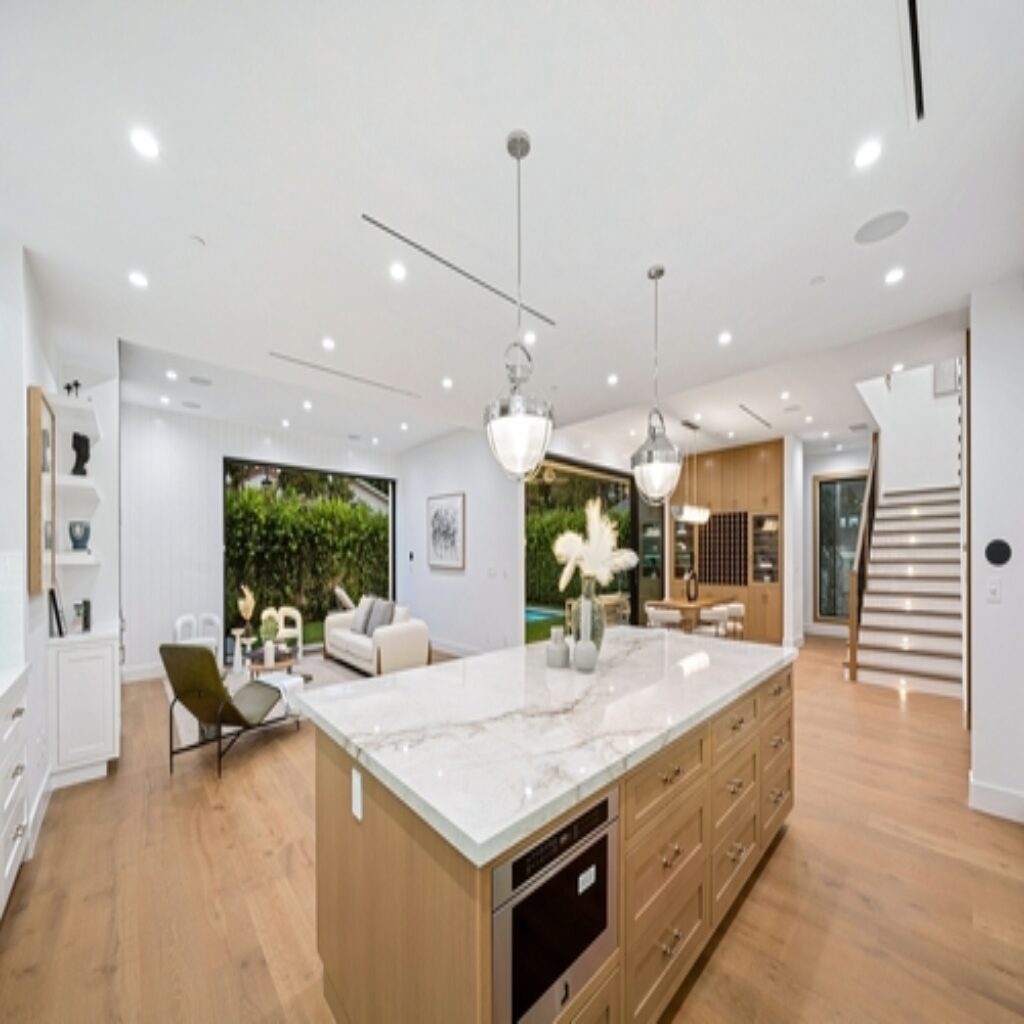
Maryland Home Improvements at a Glance.
| Project | Potential Benefit |
| Kitchen renovation | Better layout and functionality |
| Bathroom renovation | Improved comfort and usability |
| Home addition | Additional living space |
| Whole-home renovation | Better flow and overall condition |
| Storage improvements | Better organization |
| Outdoor living | More usable space |
| Energy improvements | Improved efficiency and comfort |
Which Improvements Make the Most Sense for Your Home?
The most valuable project is not necessarily the most expensive. A poorly designed kitchen may benefit more from a better layout than from cosmetic updates, while a growing family may benefit more from an addition.
The right choice depends on how the home is used, what is currently lacking, and what the homeowners expect to need in the future. Maryland home improvements are most effective when they respond to the property’s specific needs rather than following a one-size-fits-all approach.
What Should Maryland Homeowners Consider?
Maryland homes vary widely in age, style, lot size, and condition. Older properties may require attention to electrical, plumbing, insulation, windows, or structural systems.
Local zoning, setbacks, permitting, historic considerations, and site conditions may also affect additions and exterior changes. Improvements should complement the existing home and property rather than feel disconnected from them.
What Affects the Investment?
Project cost depends on factors such as:
- Project size and scope.
- Existing conditions.
- Structural modifications.
- Plumbing, electrical, and HVAC work.
- Materials and finishes.
- Custom cabinetry or millwork.
- Permitting and design complexity.
The investment should be evaluated based on both the improvement itself and how effectively it addresses the home’s needs.
Why Consider Design and Construction Together?
A design-build approach connects design decisions with construction planning and investment considerations. This allows homeowners to understand how design choices affect the overall project before construction begins.
It also gives one team responsibility for coordinating design, planning, permitting, and construction.
How Should You Evaluate a Design-Build Firm?
Look for a firm with experience in:
- Similar residential projects.
- Existing homes.
- Design and construction.
- Investment planning.
- Project management.
- Communication and accountability.
- Quality standards and follow-through.
It is also important to understand who will manage the project from design through completion.
Is Design-Build Right for Your Project?
Design-build can be a good fit for homeowners who want professional design guidance, one primary point of contact, and a team responsible for coordinating the project.
It can be particularly useful for complicated renovations, additions, and projects where design and construction decisions need to be closely connected.
Homeowners who prefer to personally coordinate every trade or primarily want the lowest possible price may find another project delivery approach better suited to their priorities.
A Few Terms Worth Knowing.
Existing Conditions: The characteristics and systems already present in a home before construction begins.
Whole-Home Renovation: A coordinated renovation addressing multiple areas or systems throughout the home.
Design-Build: A project delivery approach where design and construction are coordinated by one team.
Frequently Asked Questions.
Which home improvement adds the most value to a Maryland home?
There is no single answer for every property. Kitchens, bathrooms, additions, whole-home renovations, and functional improvements can all provide value depending on the home’s condition, location, layout, and the homeowner’s goals.
Do renovations always increase a home’s resale value?
No. A renovation can improve the home’s functionality and appeal without producing a dollar-for-dollar increase in resale value. Project quality, scope, location, and how well the improvement fits the property all matter.
Why Winthorpe Design and Build.
Winthorpe Design and Build is a full-service design-build firm serving homeowners throughout Maryland and Washington, DC. The company specializes in custom homes, additions, renovations, kitchens, bathrooms, whole-home renovations, and challenging residential projects.
Every Winthorpe Design and and Build project includes the presence and full supervision of a dedicated project manager, providing homeowners with consistent oversight, communication, and accountability throughout construction.
The team brings design, investment planning, construction coordination, and project management together so homeowners can move through the process with one team responsible for the project from design through completion.