

A growing household does not always need a new house. Sometimes the better solution is to reconsider how the existing property can accommodate changing needs. A new bedroom, larger kitchen, home office, family room, or additional living space may solve the problem without giving up a familiar neighborhood.
The decision between home addition vs moving in DC comes down to the limitations of the current home, the property’s potential, the required investment, and whether the location still works for the household.
In Short.
A home addition can make sense when the property and location are right, but the existing layout no longer meets your needs. Moving may be more practical when the property has significant limitations, the required changes are extensive, or the location itself no longer works.
Key Points.
- An addition can provide more space without leaving the current neighborhood.
- The existing structure, lot size, and zoning requirements all matter.
- Moving may make more sense when the property has fundamental limitations.
- Design and construction should be coordinated from the beginning.
- A detailed evaluation can help clarify which option fits the property and project goals.
Home Addition vs. Moving at a Glance.
| Consideration | Home Addition | Moving |
| Location | Stay in the current neighborhood | Choose a new location |
| Space | Add targeted living space | Find a home with different space |
| Design | Customize the existing property | Adapt to an existing or new home |
| Disruption | Construction during the project | Moving and settling into a new property |
| Investment | Depends on scope and site conditions | Includes purchase, selling, and moving costs |
When Does a Home Addition Make Sense?
An addition may be worth considering when the location, lot, and existing structure are still a good fit.
Common reasons for adding space include:
- A growing family needs another bedroom.
- A larger kitchen or family room would improve daily living.
- A dedicated home office is needed.
- An aging-in-place plan requires additional or more accessible space.
- The household wants more living area without leaving the neighborhood.
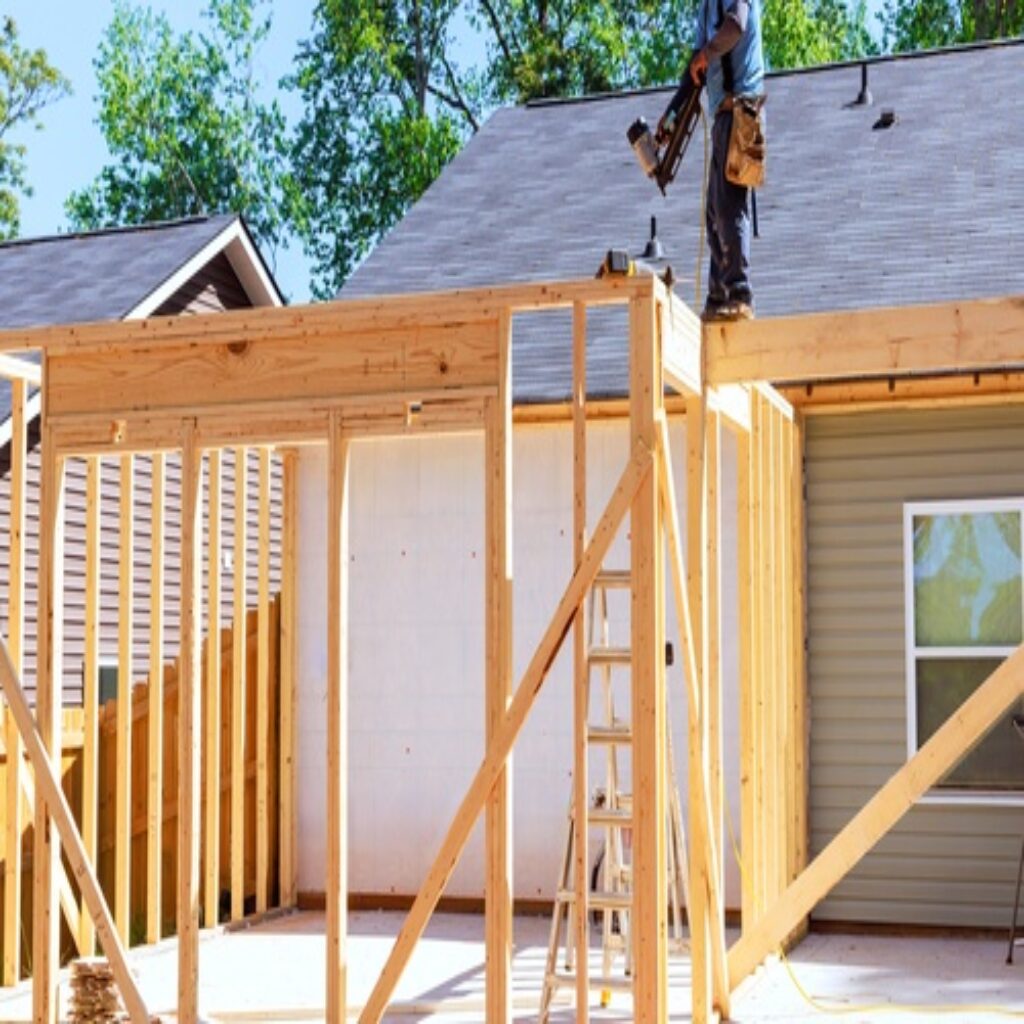
The right addition should feel connected to the original home rather than simply appearing as an extra room attached to it. The design should consider the existing architecture, rooflines, natural light, circulation, and how the new space will function with the rest of the house.
When Might Moving Make More Sense?
Moving can be worth considering when the property itself creates too many limitations.
For example, the lot may not support the desired addition, zoning restrictions may limit expansion, or the existing structure may require extensive work before an addition is practical. A household may also decide that the neighborhood, commute, schools, or proximity to amenities no longer meet its needs.
In these situations, buying a different property may provide a more straightforward path to getting the space and location needed.
What Should DC Homeowners Consider?
Washington, DC properties can present unique challenges because of lot constraints, existing architecture, zoning requirements, and the condition of older homes.
The decision around home addition vs moving in DC should also account for zoning requirements, property setbacks, existing site conditions, and how much additional space the property can realistically support.
A professional evaluation early in the process can help determine whether the property has enough potential for the desired improvements.
What Affects the Cost of an Addition?
The cost of an addition depends on factors such as:
- Size and complexity of the addition
- Structural modifications to the existing home
- Foundation and site conditions
- Roofing and exterior integration
- Plumbing, electrical, and HVAC requirements
- Interior finishes and materials
- Permitting and project requirements
Because every property is different, comparing an addition to moving should involve more than looking at construction costs alone. Selling expenses, purchasing costs, moving expenses, and the cost of modifying a new property can also affect the overall investment.
Why Consider Design and Construction Together?
An addition affects both the appearance and structure of the existing home. Having design and construction coordinated under one team can make it easier to address structural conditions, material selections, budgeting, and construction logistics together.
A design-build approach also creates a clearer connection between the initial concept and the finished project.
For more guidance on preparing for a residential construction project, see Why Early Planning Is the Key to a Stress-Free Home Build.
How Should You Evaluate a Design-Build Firm?
Look for a firm with experience working on additions and renovations similar to your property and goals. Ask about:
- Experience with existing homes
- How design and construction are coordinated
- How budgets are developed and managed
- Who will oversee construction
- How communication is handled throughout the project
- Experience navigating local permitting and site constraints
Every Winthorpe project includes the presence and full supervision of a dedicated project manager, providing consistent communication, coordination, oversight, and accountability throughout construction.
Is Design-Build Right for an Addition?
Design-build can be particularly useful when an addition involves structural changes, detailed interior work, or coordination with multiple building systems.
Instead of separating design decisions from construction planning, the two phases can be developed together. This can help identify potential challenges earlier and create a more coordinated project from the start.
For additional information on residential construction requirements in Washington, DC, homeowners can review the DC Department of Buildings for permitting and building-related resources.
A Few Terms Worth Knowing.
Setback: The required distance between a structure and a property line.
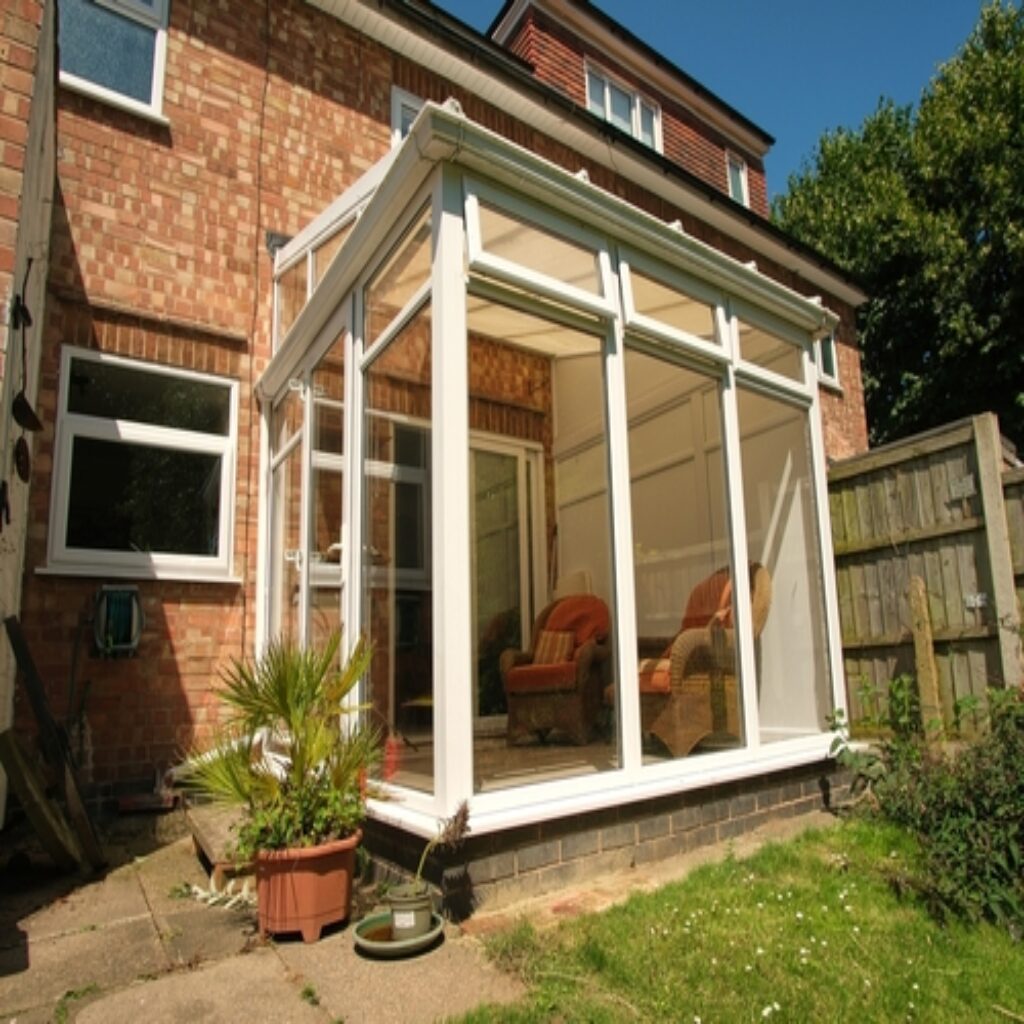
Building envelope: The parts of a building that separate the interior from the exterior, including walls, roofs, windows, and doors.
Design-build: A project delivery method in which design and construction are coordinated through one team.
Frequently Asked Questions.
Is an addition cheaper than moving?
Not necessarily. The answer depends on the addition’s scope, the property, construction conditions, and the costs associated with selling and purchasing another home.
How do I know if my property can support an addition?
A professional evaluation can review the lot, existing structure, zoning considerations, and potential design options before the project moves forward.
Can an addition increase the value of a DC home?
A well-designed addition can improve a home’s functionality and may contribute to its market value, although the impact depends on the property, neighborhood, quality of construction, and the type of space added.
Why Winthorpe Design and Build.
Winthorpe Design and Build is a full-service design-build firm serving homeowners throughout Maryland and Washington, DC. The firm specializes in custom homes, additions, renovations, kitchens, bathrooms, whole-home renovations, and challenging residential projects.
From the first design concepts through construction, Winthorpe brings the design and building process together under one team. Every project also includes the presence and full supervision of a dedicated project manager, helping maintain clear communication, coordination, and accountability throughout construction.
For a property that still has the right location but no longer has the right amount of space, an addition can provide a way to rethink how the existing home works without starting over somewhere else.