

Washington, DC summers often bring high temperatures, humidity, and prolonged periods of sunlight that can make indoor comfort a challenge. Incorporating thoughtful design strategies and efficient building solutions during the planning stage can improve energy performance and create a more comfortable living environment. A proactive approach to DC summer home cooling helps homeowners maintain a cooler home while reducing unnecessary energy use.
Prioritizing Proper Home Orientation and Shade.
The way a home is positioned on a property can significantly influence how much heat it absorbs throughout the day. Strategic placement, along with features such as covered outdoor areas, overhangs, and carefully positioned landscaping, can reduce direct sun exposure and help keep interior spaces cooler.
Thoughtful site design also involves understanding environmental conditions that affect a home’s long-term performance. Homeowners can benefit from learning about Maryland environmental regulations, as environmental considerations such as land conditions, drainage, and natural resource protection often influence how residential sites are planned and developed.
Selecting Energy-Efficient Windows and Materials.
Windows, roofing, insulation, and exterior finishes all play a major role in controlling indoor temperatures. High-performance windows with appropriate glazing can reduce heat transfer, while quality insulation helps maintain a consistent indoor climate.
Homeowners can also explore energy-saving recommendations through the U.S. Department of Energy Energy Saver to learn more about strategies for improving home efficiency and comfort.
Choosing the right combination of materials is essential for achieving long-term performance during the hottest months of the year.
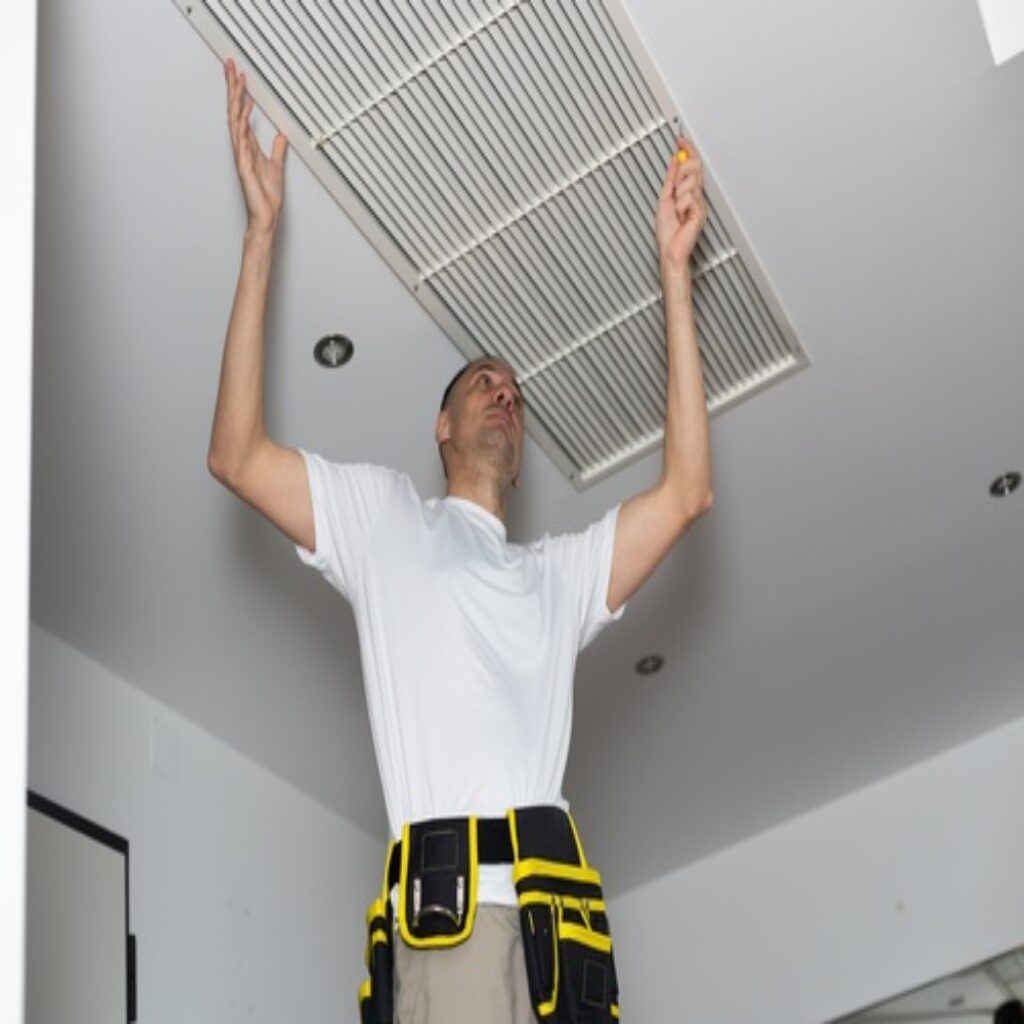
Designing an Effective Ventilation System.
A well-designed ventilation strategy allows fresh air to circulate while removing excess heat and humidity. Features such as properly sized HVAC systems, energy recovery ventilators, and strategically placed windows can improve airflow throughout the home.
These considerations are especially important in Washington, DC, where humid summer conditions can place additional demands on cooling systems.
Integrating Smart Technology for Better Temperature Control.
Modern custom homes often include smart thermostats, automated shading systems, and advanced climate controls that adjust indoor conditions based on occupancy and outdoor temperatures.
These technologies allow homeowners to manage comfort more efficiently while reducing unnecessary energy consumption.
Working With an Experienced Design-Build Team.
Creating a home that remains comfortable throughout the summer requires careful planning, quality construction, and attention to environmental factors. Winthorpe Design and Build works closely with homeowners to incorporate energy-efficient solutions that align with their lifestyle, design goals, and property conditions.
From initial design decisions to final construction details, Winthorpe Design and Build ensures every component of the home contributes to long-term comfort, performance, and durability.
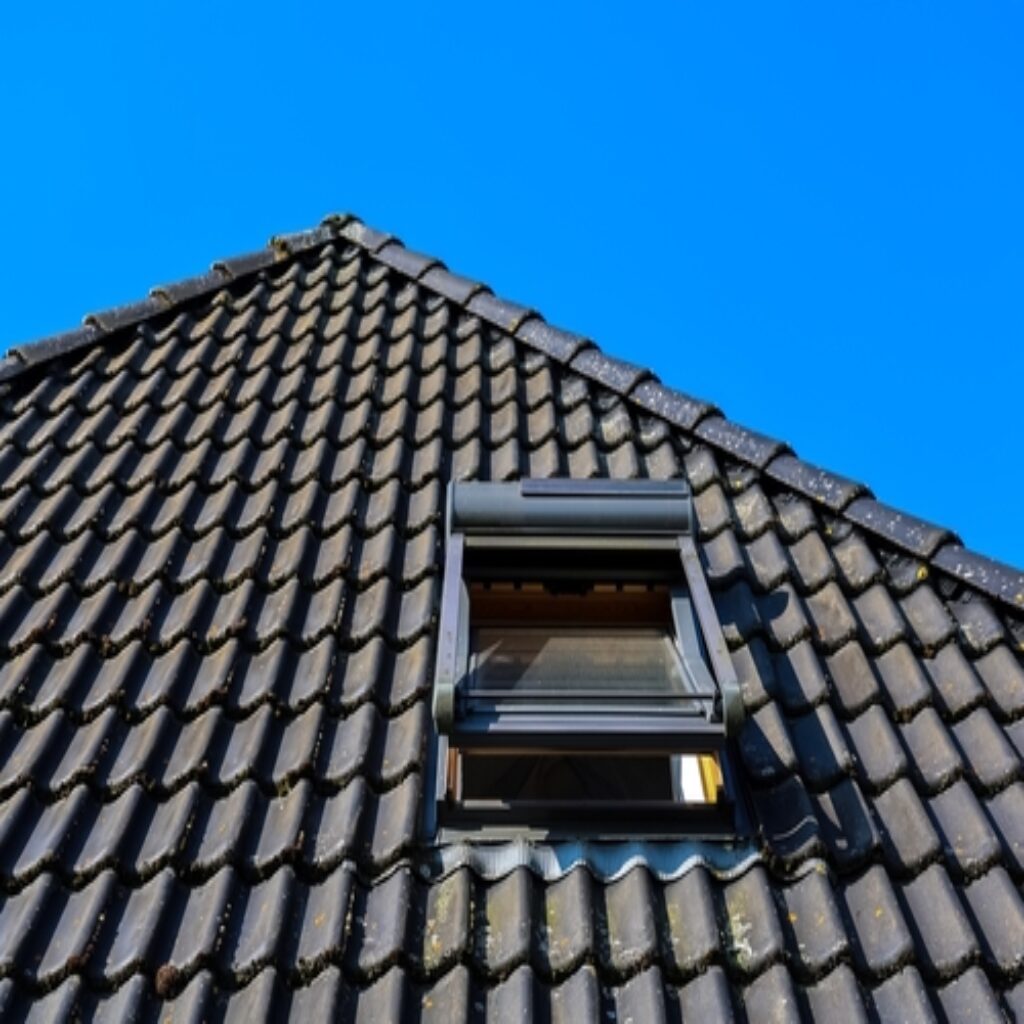
Creating a Comfortable Home for DC Summers.
Keeping a custom home cool involves more than installing an air conditioning system. It requires thoughtful decisions about orientation, materials, insulation, ventilation, and technology that work together to improve indoor comfort.
By applying smart design strategies for DC summer home cooling, homeowners can enjoy a more energy-efficient and comfortable living space throughout Washington, DC’s warmest months.