

Before a new custom home can take shape, the existing structure on the property often needs to be carefully removed. This phase involves more than simply clearing the lot. A well-planned demolition strategy helps ensure the site is prepared safely, permits are secured, and the transition into construction happens without unnecessary delays. Taking a thoughtful approach to demolition planning early on creates a strong foundation for everything that follows in the building process, including the site preparation process that gets the lot ready for construction.
Why Demolition Requires Careful Planning.
Removing an existing structure involves more than physical teardown. It requires coordination, safety considerations, and compliance with local regulations. Without a clear plan in place, the process can lead to delays, safety risks, or unexpected costs.
Careful preparation helps define the scope of work, outline the sequence of removal, and ensure the site is ready for the next phase of construction.
Evaluating the Existing Structure.
An important early step is assessing the current building. This includes understanding how it was constructed, identifying any hazardous materials, and determining the safest and most efficient method for removal.
This evaluation ensures that all necessary precautions are taken and that the process moves forward without complications.
Permits and Regulatory Requirements.
Demolition projects typically require approvals from local authorities. These may include permits, environmental considerations, and documentation related to safety and site conditions.
Addressing these requirements early in the demolition planning process helps prevent delays and keeps the project aligned with local regulations.
Disconnecting Utilities and Preparing the Site.
Before any work begins, utilities such as electricity, gas, water, and sewer must be safely disconnected. This is a critical step to protect both workers and surrounding properties.
Additional preparation may include establishing safe access points, installing temporary barriers, and organizing staging areas to support efficient operations.
Managing Debris and Material Removal.
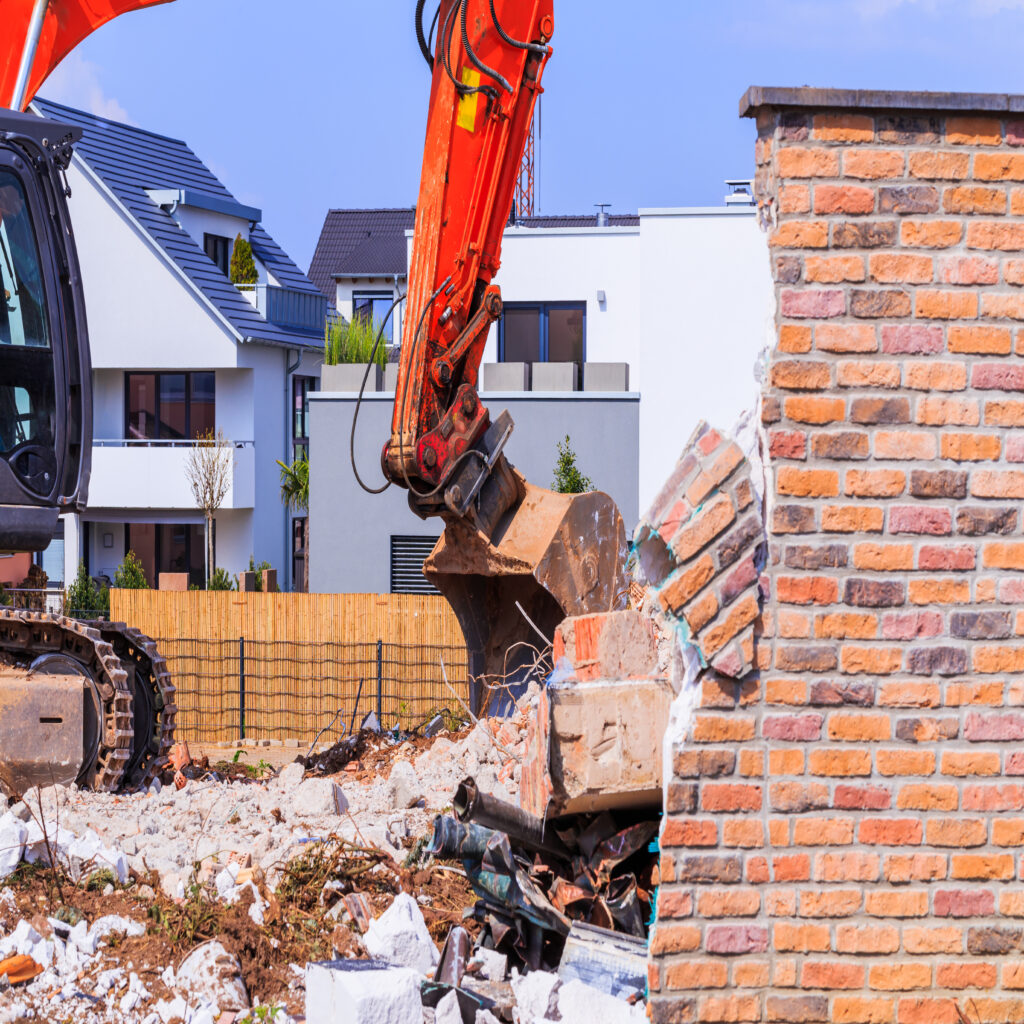
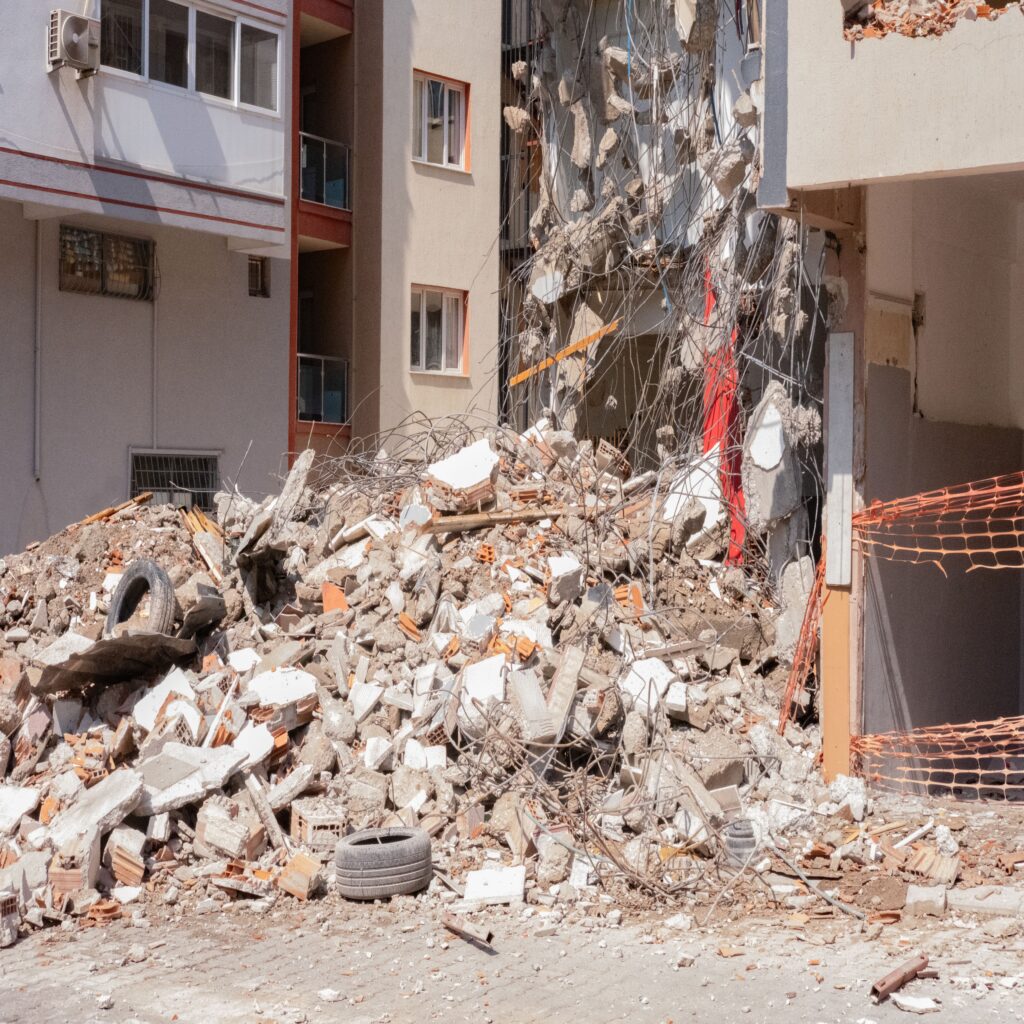
Tearing down a structure generates a significant amount of debris that must be handled responsibly. Materials may be sorted for disposal, recycling, or reuse depending on their condition.
A structured approach to debris management keeps the site organized and prepares it for grading and future construction work.
Coordinating the Transition to Construction.
One of the primary goals of effective demolition planning is ensuring a smooth transition into the building phase. Once the site is cleared, work can move directly into grading, foundation preparation, and other early construction steps.
Maintaining this continuity helps keep the overall project timeline on track.
Partnering With an Experienced Team.
As a full-service design-build firm, Winthorpe Design and Build integrates demolition into the broader project strategy. By coordinating site preparation, permitting, and construction scheduling, the team ensures that each phase connects seamlessly to the next.
A dedicated project manager oversees the process, providing consistent communication and ensuring all work is completed safely and efficiently.
Starting the Project the Right Way.
Demolition may be the first visible step in building a new home, but its impact extends throughout the entire project. When handled properly, it creates a clean and stable site that supports everything that follows.
Through careful coordination and attention to detail, Winthorpe Design and Build helps clients approach demolition with confidence, ensuring their project begins with a strong and well-managed start.