

A historic home renovation in DC often requires balancing two goals: making the home work better for modern life while preserving the architectural details that give it character. Older homes can have beautiful proportions, original millwork, masonry, windows, and other features that are worth maintaining.
The challenge is knowing where to modernize and where to preserve. A thoughtful renovation can improve the layout, storage, lighting, and systems without making the home feel disconnected from its original design.
In Short.
The best approach is to preserve defining architectural features while making targeted improvements to the home’s layout, storage, systems, and everyday functionality.
Factors to ensure your older home becomes more functional.
- Identify the home’s defining architectural features before renovating.
- Improve functionality without unnecessarily removing original details.
- Look for opportunities to update kitchens and bathrooms while respecting the home’s character.
- Consider modern systems that can be integrated with minimal visual impact.
- Evaluate historic-district requirements before making exterior changes.
- Use design and construction planning together to balance preservation and modernization.
Historic Home Renovation in DC at a Glance.
| Area | Consideration |
| Character | Identify original features worth preserving |
| Layout | Improve circulation and room functionality |
| Kitchen & Bath | Modernize without ignoring the home’s architectural style |
| Storage | Add practical storage where possible |
| Systems | Update electrical, plumbing, HVAC, and other infrastructure |
| Exterior | Understand applicable preservation requirements |
Which Features Should You Preserve?
Not every element of an older home needs to remain untouched, but some features may contribute significantly to its architectural character.
These can include:
- Original trim and millwork
- Wood floors
- Staircases and railings
- Doors and hardware
- Decorative plaster
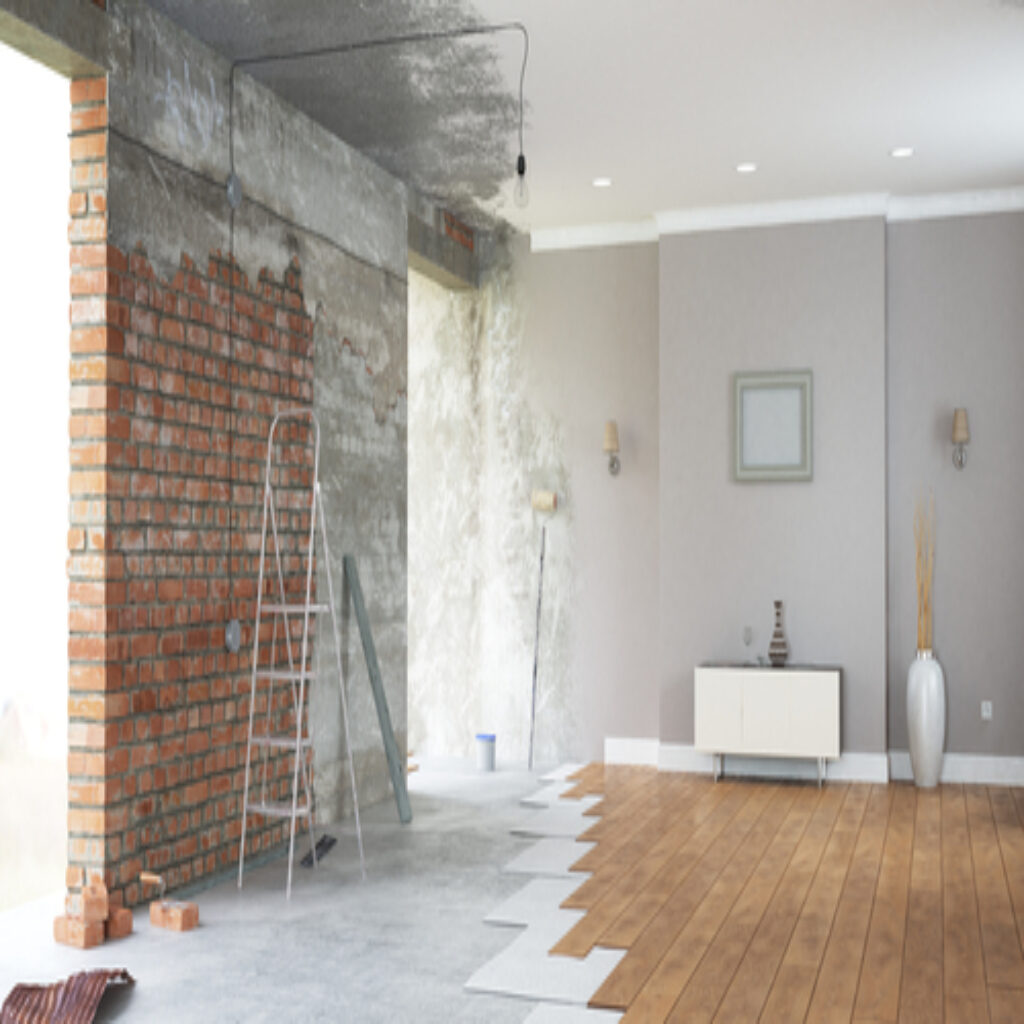
- Brick or masonry details
- Original windows
- Distinctive architectural proportions
The goal is not necessarily to preserve every element. Instead, identify the features that give the home its identity and incorporate them into the renovation wherever practical.
How Can You Improve the Layout?
Older homes can have layouts that feel less convenient for contemporary lifestyles. Rooms may be separated by walls, kitchens may be undersized, and storage can be limited.
Instead of completely removing the original layout, consider targeted changes. Opening a connection between two spaces, improving circulation, or reconfiguring an underused room may create significant functional improvements while retaining the home’s overall character.
How Can You Modernize Kitchens and Bathrooms?
Kitchens and bathrooms often require the most noticeable updates in an older home.
A renovation can introduce modern cabinetry, appliances, fixtures, lighting, and storage while still responding to the home’s architectural language. Materials, proportions, hardware, and detailing can help new work feel appropriate rather than overly contemporary.
What About Electrical, Plumbing, and HVAC Systems?
Functionality is not only about appearance. Older homes may have outdated electrical, plumbing, heating, cooling, or insulation systems that need attention.
Updating these systems can improve safety, comfort, efficiency, and reliability. The challenge is integrating modern infrastructure without unnecessarily damaging original architectural elements.
During a historic home renovation in DC, these systems should be considered alongside the existing structure and finishes rather than treated as completely separate from the design.
What Should You Know About Historic Requirements?
Some Washington, DC properties are located within historic districts or have historic designations that can affect renovation work. Requirements may apply to exterior alterations, windows, additions, materials, and other visible changes.
Before finalizing plans, determine whether the property is subject to preservation requirements and what approvals may be necessary. This can help avoid designing changes that cannot ultimately be approved.
How Much Does a Historic Renovation Cost?
The cost of renovating an older DC home depends on its condition, size, scope, materials, structural requirements, and the extent of system upgrades.
Preserving original features can sometimes require specialized repair or restoration rather than straightforward replacement. Older homes may also reveal unexpected conditions once walls or floors are opened.
A detailed evaluation and realistic budget should account for both the desired improvements and the work required to properly integrate them with the existing home.
Why Consider Design and Construction Together?
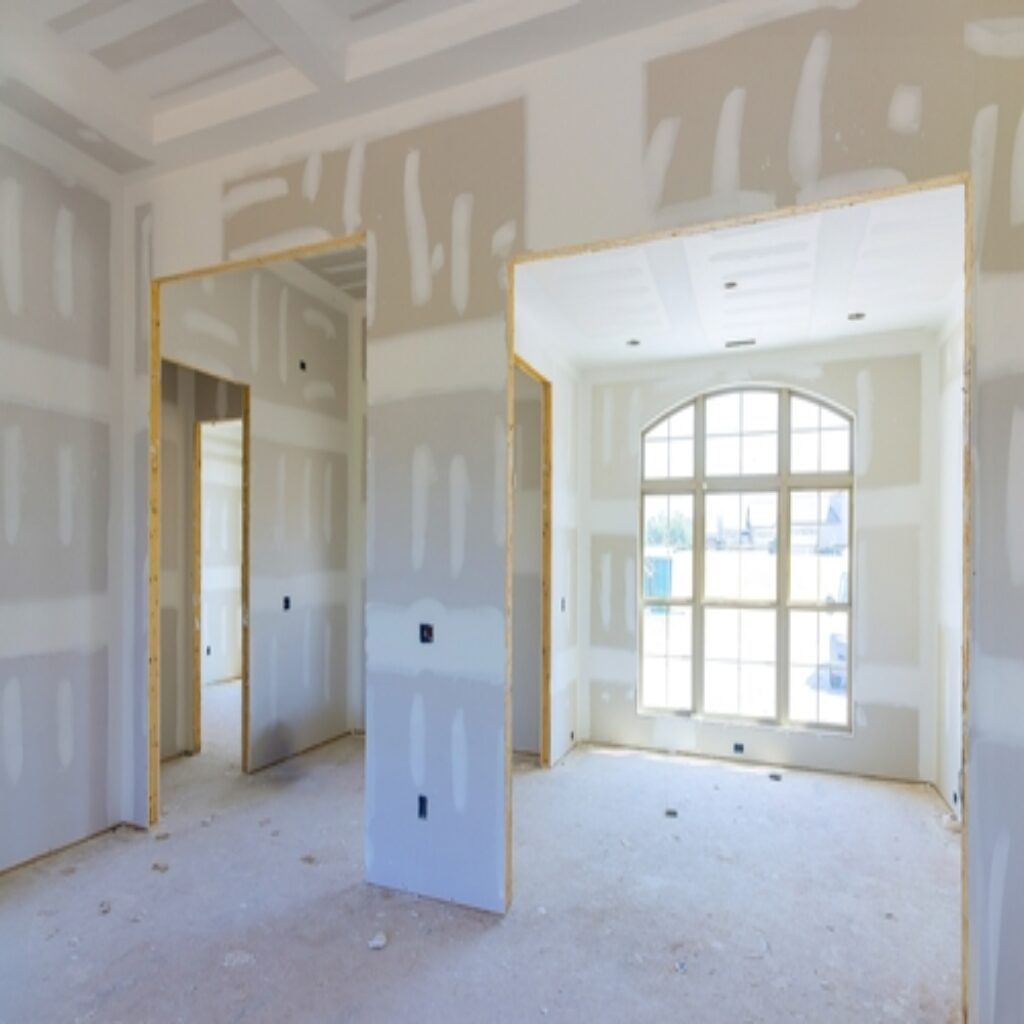
Older homes often require close coordination between preservation, design, and construction. A seemingly simple layout change can affect structural elements, mechanical systems, historic features, and the overall appearance of the property.
Working with a design-build team allows these considerations to be addressed together. This can make it easier to develop solutions that improve functionality while respecting the home’s existing architecture.
How Should You Evaluate a Design-Build Firm?
Experience with older homes is important, but so is the firm’s ability to coordinate the entire renovation process.
Consider:
- Does the firm have experience with older or historic properties?
- How does it evaluate existing conditions?
- How are original architectural features protected?
- Who coordinates engineering and permitting?
- How are restoration and replacement decisions made?
- How are unexpected conditions handled?
- Who supervises construction?
Every Winthorpe project includes the presence and full supervision of a dedicated project manager, providing consistent communication, coordination, oversight, and accountability throughout construction.
Is a Historic Renovation Right for Your Home?
A carefully planned renovation can make an older DC home significantly more functional without erasing the qualities that make the property distinctive.
The key is to approach the existing architecture as part of the design rather than treating it as an obstacle. Strategic changes to the layout, systems, storage, and finishes can modernize the home while maintaining a connection to its history.
A Few Terms Worth Knowing.
Historic district: A designated area where certain properties and exterior alterations may be subject to historic-preservation requirements.
Adaptive reuse: Modifying an existing building or space to serve a new or updated purpose while retaining significant elements of the original structure.
Existing conditions: The current structural, architectural, mechanical, electrical, and plumbing characteristics of a property.
Design-build: A project delivery approach that combines design and construction through one coordinated team.
Frequently Asked Questions.
Can you modernize a historic DC home without removing its original character?
Yes. Targeted changes to the layout, systems, kitchen, bathrooms, lighting, and storage can improve functionality while preserving significant architectural details.
Should original windows always be replaced?
Not necessarily. Depending on their condition and the property’s requirements, restoration or repair may be an option. The appropriate approach depends on the specific windows and any applicable historic requirements.
Do historic homes require special renovation approvals in DC?
Some do. Requirements depend on the property’s designation and location, as well as the proposed work. Those requirements should be determined before finalizing renovation plans.
Why Winthorpe Design and Build.
Winthorpe Design and Build is a full-service design-build firm serving homeowners throughout Maryland and Washington, DC. The firm specializes in custom homes, additions, renovations, kitchens, bathrooms, whole-home renovations, and challenging residential projects.
For older properties, Winthorpe brings design and construction together to coordinate existing conditions, architectural character, modern functionality, budgeting, and construction requirements through one connected process. Every project also includes the presence and full supervision of a dedicated project manager, providing consistent communication and accountability throughout construction.
The goal is not to make an older home look new. It is to make the home work better while preserving the details and character that make it worth keeping.