

When planning a custom home, many clients focus on layout, finishes, and architectural style. Just as important, however, is how water moves across the property during heavy rain or seasonal storms. A well-designed approach to Maryland stormwater management helps protect the home’s foundation, preserve the surrounding landscape, and ensure the project complies with local environmental requirements.
Why Stormwater Planning Matters.
Stormwater refers to rainwater or melting snow that flows across the ground. Without proper control, runoff can collect near foundations, erode soil, or place strain on drainage systems. Over time, unmanaged water can contribute to structural concerns, landscaping damage, and avoidable maintenance issues.
Because of these risks, many jurisdictions across the state require homes to include systems that manage runoff effectively. These standards are a core part of Maryland’s stormwater management regulations, which are designed to protect nearby waterways while reducing the risk of flooding and soil erosion.
How Stormwater Systems Work.
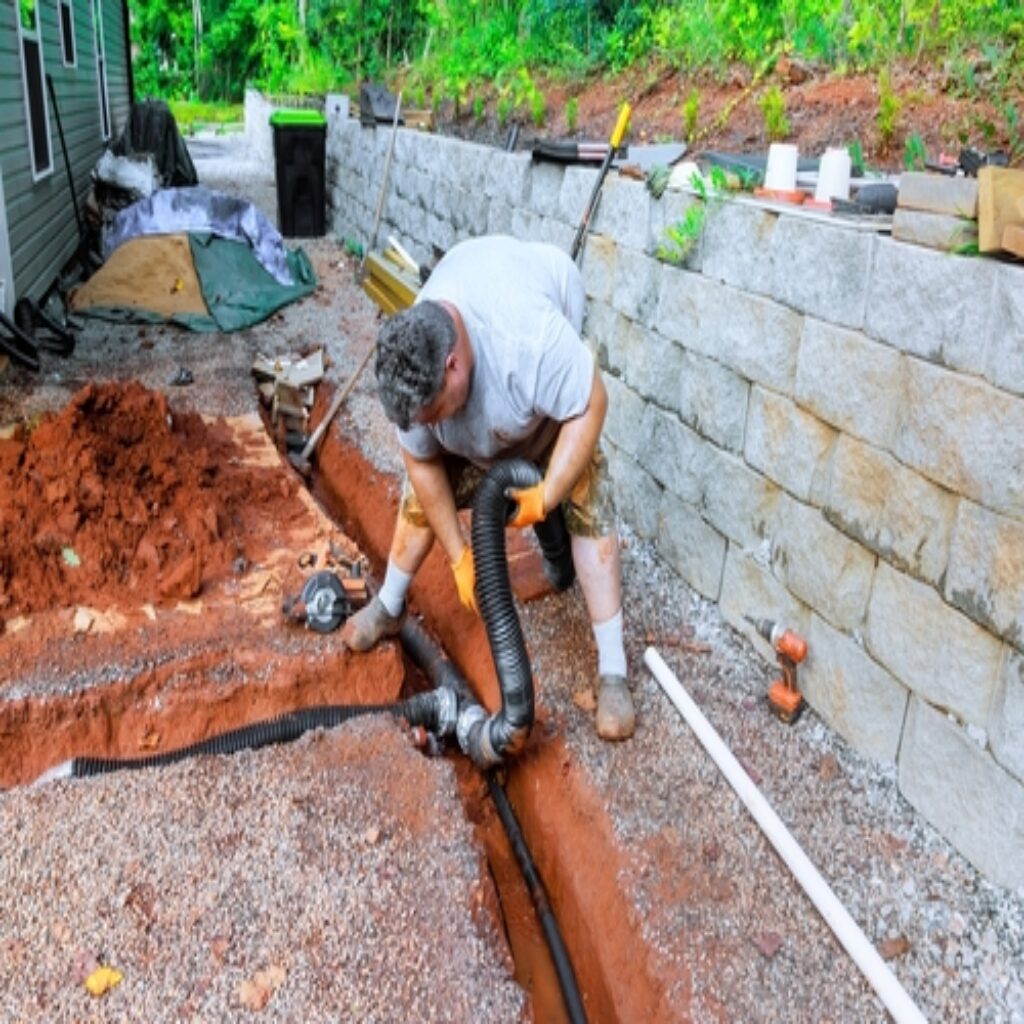
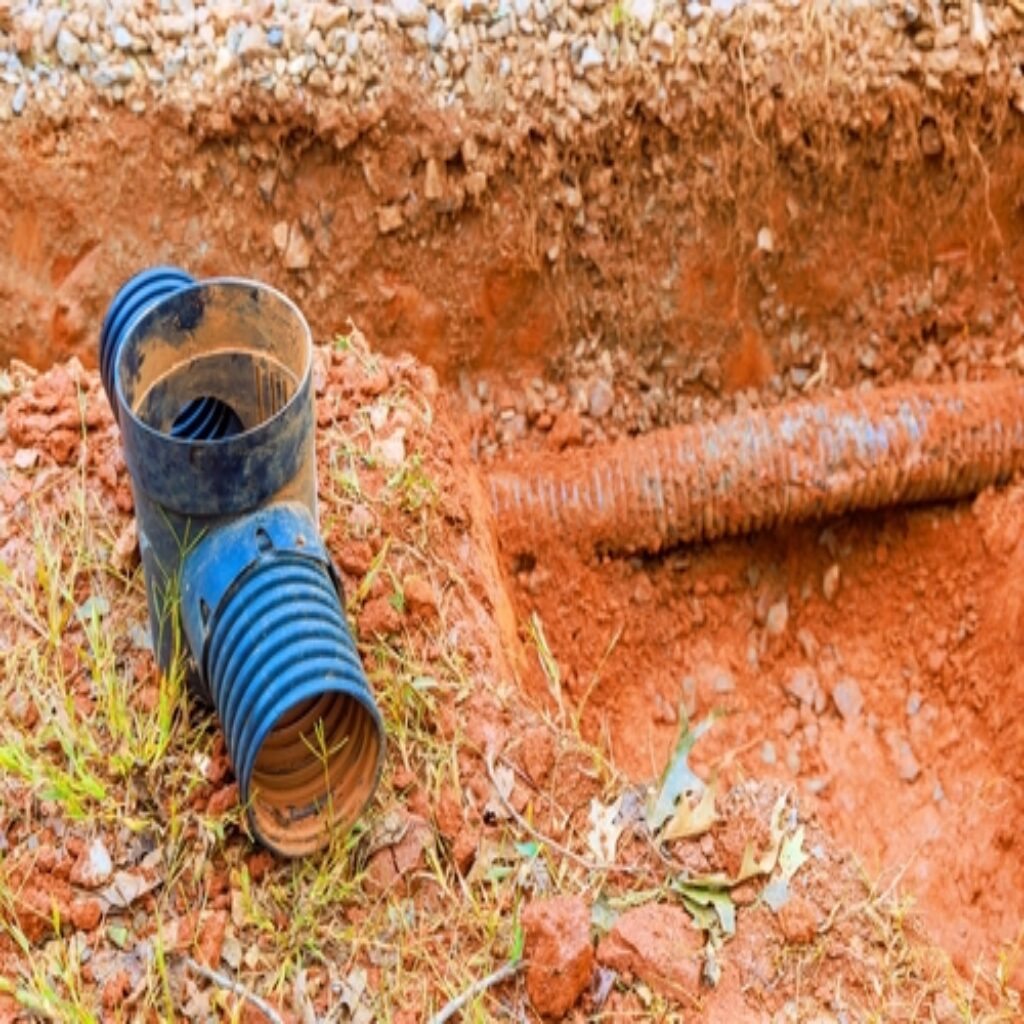
Stormwater systems are designed to guide and control the movement of water across a property. Common solutions include strategic grading that directs water away from the home, drainage swales that channel runoff safely, and underground piping that carries water toward designated drainage areas.
Depending on the site, projects may also incorporate infiltration areas or retention systems that allow runoff to be absorbed gradually into the ground. Integrating these solutions early helps ensure the property performs well during heavy rainfall while meeting Maryland stormwater management requirements.
Site Design and Long-Term Performance.
Every building site has unique drainage characteristics based on slope, soil conditions, and surrounding terrain. Careful planning ensures the home’s placement works with these natural conditions rather than creating water-related challenges later.
Grading plans, drainage features, and landscape design all contribute to controlling runoff. Addressing these elements early in the design phase helps maintain the stability of the property and protects the home from potential moisture issues.
Meeting Local Regulations.
Stormwater management is closely regulated throughout Maryland. Local authorities review site plans to confirm that new construction includes appropriate drainage and runoff control measures before permits are issued.
These reviews often require detailed engineering plans that demonstrate how water will be directed and contained on the property. Planning for these approvals early helps keep the construction schedule predictable and reduces the likelihood of delays during permitting.
Coordinating Design and Construction.
As a full-service design-build firm, Winthorpe Design and Build works closely with engineers and site professionals to ensure drainage systems are thoughtfully integrated into the overall project design. Coordinating grading, site planning, and construction details early helps address potential water management challenges before they affect the home.
A dedicated project manager oversees the work on site, ensuring drainage features are installed correctly and function as intended once construction is complete.
Protecting the Home and the Property.
Stormwater planning may not always be visible after construction, but it plays an essential role in the long-term durability of a home. When runoff is properly controlled and directed, it helps protect the foundation, maintain the landscape, and preserve the stability of the surrounding property.
Through careful planning and experienced oversight, Winthorpe Design and Build helps clients address stormwater considerations as part of the overall design process, ensuring each home meets Maryland stormwater management standards while supporting long-term performance and reliability.