

Maryland’s changing seasons put a range of demands on a home’s exterior. Humid summers, winter freezes, heavy rain, and fluctuating temperatures can affect how siding, roofing, trim, and masonry hold up over time. The right materials should do more than look attractive on installation day; they should suit the home’s architecture, perform well in the local climate, and remain manageable to maintain.
Choosing Maryland home exterior materials also means considering where the property is located and how it is built. A historic brick home in an established neighborhood has different needs from a contemporary home in the suburbs. Understanding the strengths and limitations of common exterior materials can help homeowners make choices that balance appearance, durability, maintenance, and cost.
Which Siding Materials Are Best Suited to Maryland’s Climate?
Siding protects the structure from weather while playing a major role in a home’s appearance. In Maryland, moisture management is particularly important because warm, humid conditions and periods of heavy rain can expose weaknesses in exterior detailing.
Fiber Cement Siding
Fiber cement siding is a popular option for homeowners who want the appearance of painted wood with less susceptibility to rot and insect damage. It can complement traditional, transitional, and contemporary homes, and it is available in several profiles and finishes.
It still requires appropriate installation, exterior painting or finishing as specified by the manufacturer, and careful detailing around windows and other openings. Keeping water from entering behind the siding is essential to its long-term performance.
Brick and Brick Veneer
Brick is a familiar feature of Maryland architecture, particularly in older homes and established neighborhoods. It offers a substantial appearance, good durability, and relatively low routine maintenance.
However, brick is not maintenance-free. Mortar joints may eventually need repair, and brick veneer systems must be detailed to manage water behind the masonry. Existing brick homes also require attention to the condition of the mortar, flashing, and drainage provisions.
Wood Siding
Wood siding offers natural texture and works especially well on traditional homes, cottages, and certain contemporary designs. It can be painted or stained in a wide range of colors, making it a flexible choice for exterior renovations.
The trade-off is maintenance. Wood can be vulnerable to moisture, rot, and insect damage if it is not properly protected. Regular inspections and timely refinishing are important, especially on elevations exposed to driving rain or prolonged dampness.
Vinyl Siding
Vinyl siding can be a cost-conscious option with relatively low routine maintenance. It is available in numerous colors and profiles and does not require regular painting.
Its appearance, impact resistance, and performance vary by product quality and installation. Homeowners should also consider how the siding will work with the architectural style of the house and whether its finish and profile will remain appealing over time.
What Roofing Materials Make Sense for Maryland Homes?
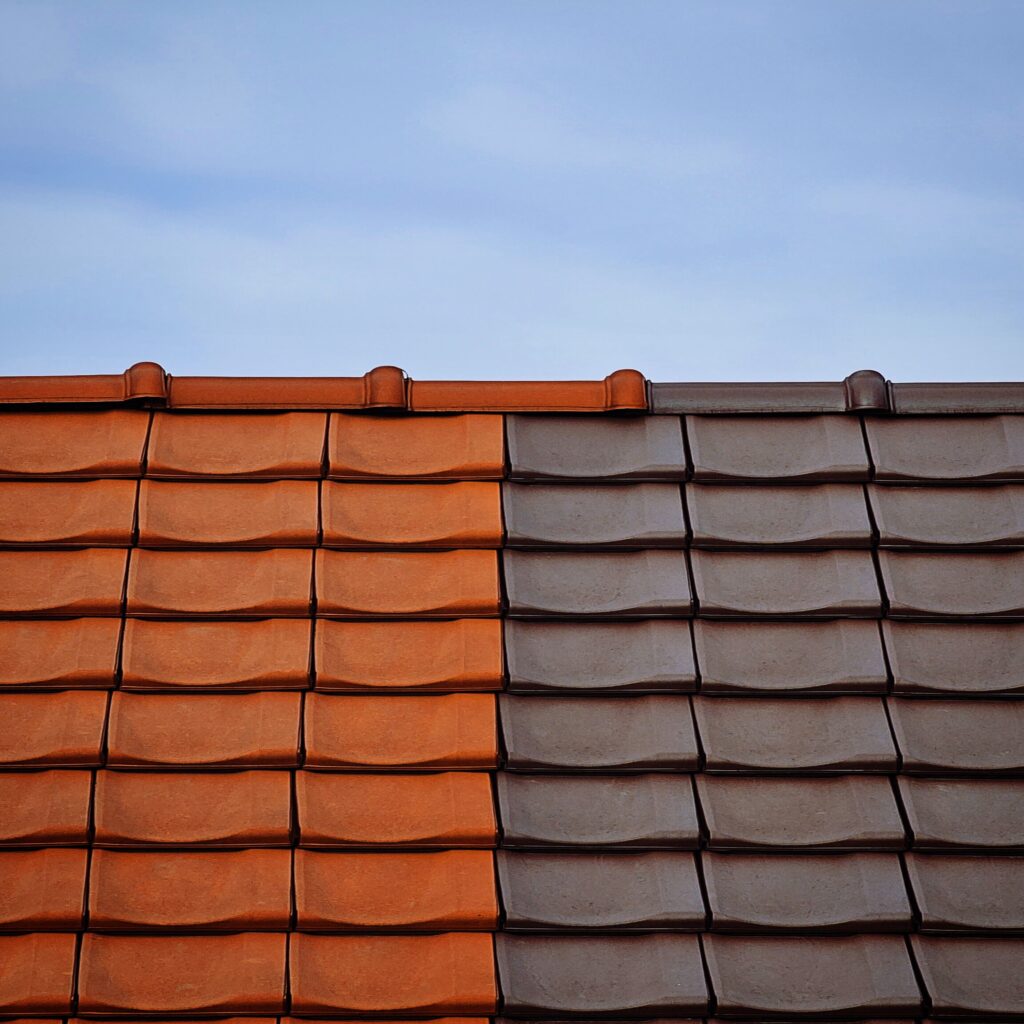
Roofing materials must handle rain, temperature changes, wind, and occasional snow while protecting the home’s structure. The roof’s pitch, design, and existing framing all influence which options are suitable.
Asphalt shingles are widely used because they offer a range of styles and price points. Their service life depends on product quality, installation, ventilation, and exposure to weather.
Standing-seam metal roofing can offer a clean, contemporary appearance and long-term durability when properly specified and installed. It may also suit certain traditional homes, depending on the design.
Slate roofing is a durable, distinctive option found on many historic and high-end homes. Natural slate can last for decades, but it is heavy and may require structural evaluation, specialized installation, and a larger initial investment.
The best choice depends on the home’s architectural character, roof structure, budget, and maintenance expectations. During a renovation, it is also worth examining flashing, drainage, ventilation, and the roof deck rather than focusing on the visible roofing material alone.
How Should You Choose Exterior Trim, Windows, and Other Details?
Exterior performance often depends on the details connecting one material to another. Windows, doors, trim, flashing, and sealants all influence how effectively the building manages moisture and temperature changes.
For trim, homeowners may consider painted wood, cellular PVC, or other exterior-rated products. Wood offers traditional character but needs ongoing protection. Cellular PVC resists rot and can reduce maintenance, though its appearance and installation details should be considered carefully.
Window selection involves more than frame material. Energy performance, glazing, weather resistance, operation, and compatibility with the home’s architecture all matter. Vinyl, fiberglass, wood, and composite frames each have different advantages in cost, appearance, and maintenance.
Regardless of the products selected, careful flashing and installation around openings are critical. Water entering at a poorly detailed window or roof connection can cause damage even when the surrounding materials are durable.
Which Exterior Materials Require the Least Maintenance?
Maintenance depends on the material, product quality, exposure, and installation, not simply the material name.
| Material | General maintenance needs | Important consideration |
| Brick | Occasional inspection and mortar repairs | Check drainage details and mortar condition |
| Fiber cement siding | Periodic cleaning and repainting as needed | Protect joints, edges, and penetrations |
| Wood siding | Regular inspection, painting, or staining | Watch for moisture and deterioration |
| Vinyl siding | Periodic cleaning and inspection | Check for damage and proper fastening |
| Metal roofing | Periodic inspection and cleaning as appropriate | Review seams, flashing, and connections |
| Slate roofing | Periodic inspection and localized repairs | Use qualified professionals familiar with slate |
No exterior material eliminates the need for inspections. Roofs, gutters, flashing, sealants, and the transitions between materials should be checked periodically so minor problems can be addressed before they affect the structure.
What Should Maryland Homeowners Consider Before Replacing Exterior Materials?
Before selecting new siding, roofing, or trim, evaluate the home’s existing condition and the goals of the project.
Architectural style: Materials should complement the home’s proportions, roofline, windows, and other defining features. A material that looks appropriate on a modern addition may not suit a historic facade.
Moisture control: Maryland’s humid summers and periods of heavy rain make drainage, flashing, ventilation, and appropriate wall assemblies essential. Replacing the visible exterior finish without addressing underlying moisture problems may leave the original issue unresolved.
Energy performance: Exterior renovations may provide an opportunity to improve insulation, air sealing, or window performance. The best approach depends on the existing wall assembly and the condition of the building.
Budget and long-term upkeep: Compare the initial installation cost with expected maintenance, repair requirements, and service life. The lowest upfront price does not always translate into the lowest long-term cost.
Local requirements: Some projects require permits or must follow historic-district guidelines, neighborhood restrictions, or other local requirements. These should be reviewed before finalizing materials and design choices
Why Plan Exterior Materials as Part of a Larger Renovation?
Siding, roofing, windows, trim, and drainage systems work together to protect the home. Replacing one component without considering the others can create mismatched details, complicate future work, or leave underlying problems untouched.
A design-build approach allows exterior materials to be considered alongside the home’s structure, architectural character, budget, and construction requirements. It can also help coordinate material transitions when an exterior renovation includes an addition, new windows, or changes to the home’s footprint.
For homeowners comparing Maryland home exterior materials, the goal is to select products that perform well together and suit the home’s particular conditions, not simply choose the material with the longest list of advertised benefits.
Frequently Asked Questions
Is brick better than siding for Maryland homes?
Neither is automatically better. Brick offers durability and a traditional appearance, while siding provides a broader range of styles and may be easier to install or replace in certain situations. The right choice depends on the home’s design, existing structure, budget, and maintenance preferences.
Should I replace siding if my home has moisture problems?
Not necessarily without first identifying the source. Moisture may come from damaged flashing, roof leaks, clogged gutters, poor drainage, or issues within the wall assembly. Addressing the cause before installing new siding can help prevent the problem from recurring.
Can I combine different exterior materials?
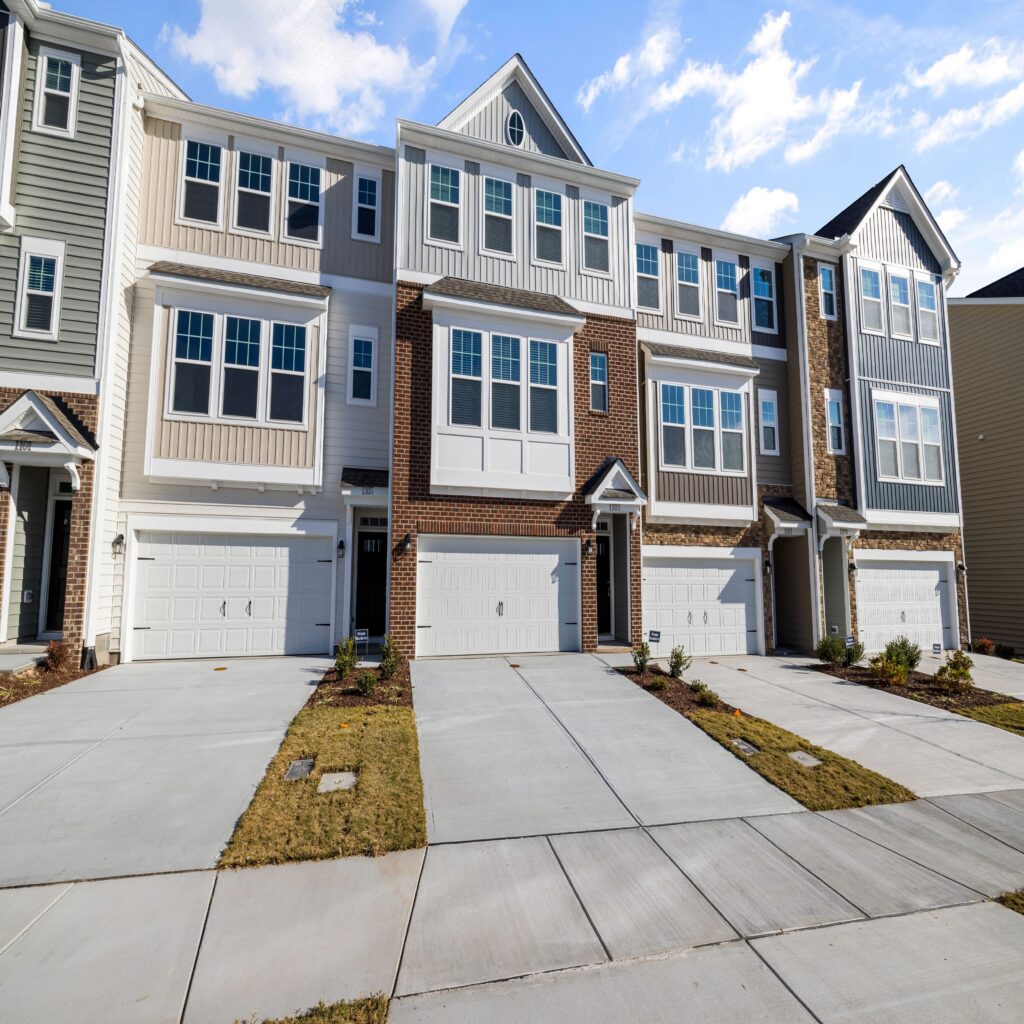
Yes. Combining brick, siding, stone, metal, or other materials can add depth and visual interest when the proportions and transitions are carefully designed. The materials should complement one another and be detailed to manage water where they meet.
Why Winthorpe Design and Build
Winthorpe Design and Build is a full-service design-build firm serving homeowners throughout Maryland and Washington, DC. The firm specializes in custom homes, additions, renovations, kitchens, bathrooms, whole-home renovations, and challenging residential projects.
Winthorpe brings design and construction together to help homeowners evaluate material choices, address existing building conditions, and coordinate exterior improvements with the overall design. Every project includes the presence and full supervision of a dedicated project manager, providing consistent communication, coordination, oversight, and accountability throughout construction.
A well-chosen exterior should complement the home’s architecture, protect it from the elements, and continue to serve the household for years to come.