

When planning a custom home or renovation in Maryland, clients often focus on layout, square footage, and architectural style. What is less obvious, but just as influential, is how local zoning rules affect where a home can be positioned on the property. Gaining an early understanding of Maryland setback requirements helps ensure the home’s size, placement, and overall layout align with local regulations while still supporting the client’s design vision. By addressing setback considerations from the beginning, clients building in Maryland can move forward with confidence and avoid unnecessary revisions later in the design process.
How Setbacks Shape Design Decisions.
Setbacks define the minimum distance a structure must maintain from property lines, streets, and neighboring properties. These requirements are established by local jurisdictions and can vary throughout Maryland depending on zoning classifications and community standards.
Because setback standards influence where a home can sit on a lot, they affect everything from interior square footage to outdoor living areas and garage placement. Without early awareness, design plans may require revisions during permitting, which can impact both timelines and costs.
Impact on Home Size, Height, and Layout.
Setback rules directly shape the buildable footprint of a property. Front, side, and rear setbacks determine how much space is available for construction, often influencing whether a home expands horizontally, vertically, or through more efficient interior planning.
For clients building in Maryland on smaller or uniquely shaped lots, these constraints can significantly affect layout options. Thoughtful design within these parameters allows clients to maximize usable space while maintaining comfort, flow, and functionality.
Setbacks and Additions to Existing Homes.
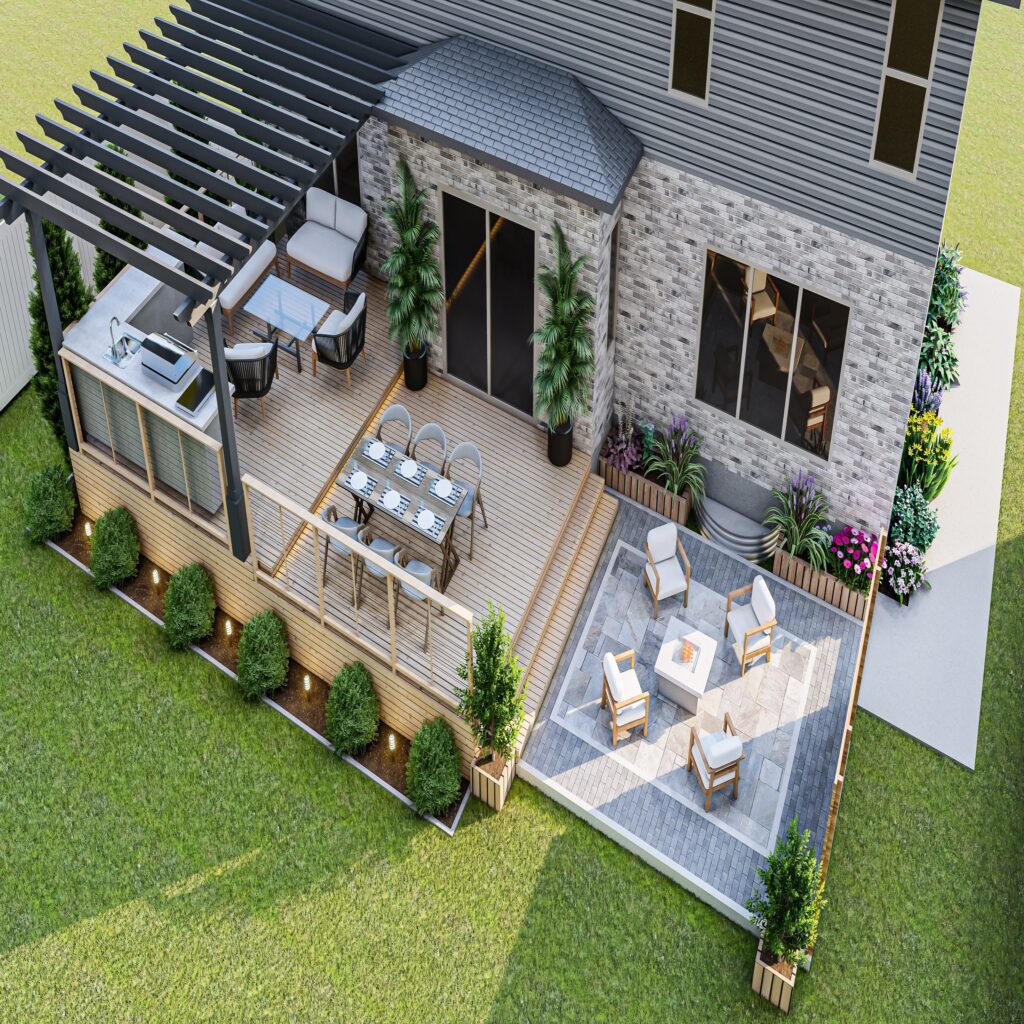
Setback considerations are equally important for renovations and additions. Many homes in Maryland were built under earlier zoning standards and may not meet current setback rules, which can limit expansion options.
When planning additions, garages, or exterior improvements, understanding current zoning requirements helps clarify what is achievable without triggering lengthy approvals or redesigns. Early evaluation supports smoother planning and keeps projects moving forward efficiently.
Why Early Planning Matters.
Setbacks are not just technical details; they influence natural light, privacy, outdoor usability, and overall flow. Addressing these factors early allows the design team to balance aesthetics and function while working within an established investment level.
As a full-service design-build firm, Winthorpe Design and Build incorporates zoning analysis into the earliest stages of planning. Evaluating local Maryland setback requirements alongside design goals helps ensure that what is envisioned can be built efficiently and approved without unnecessary delays.
Clear Oversight and Ongoing Communication.
Clients value knowing who is working in their home and who to contact with questions throughout construction. With a project manager assigned full-time to a single project, questions related to zoning, inspections, and approvals are addressed promptly and clearly.
This level of daily oversight helps keep construction aligned with approved plans and local requirements in Maryland, while also providing peace of mind throughout the build.
Designing With Confidence.
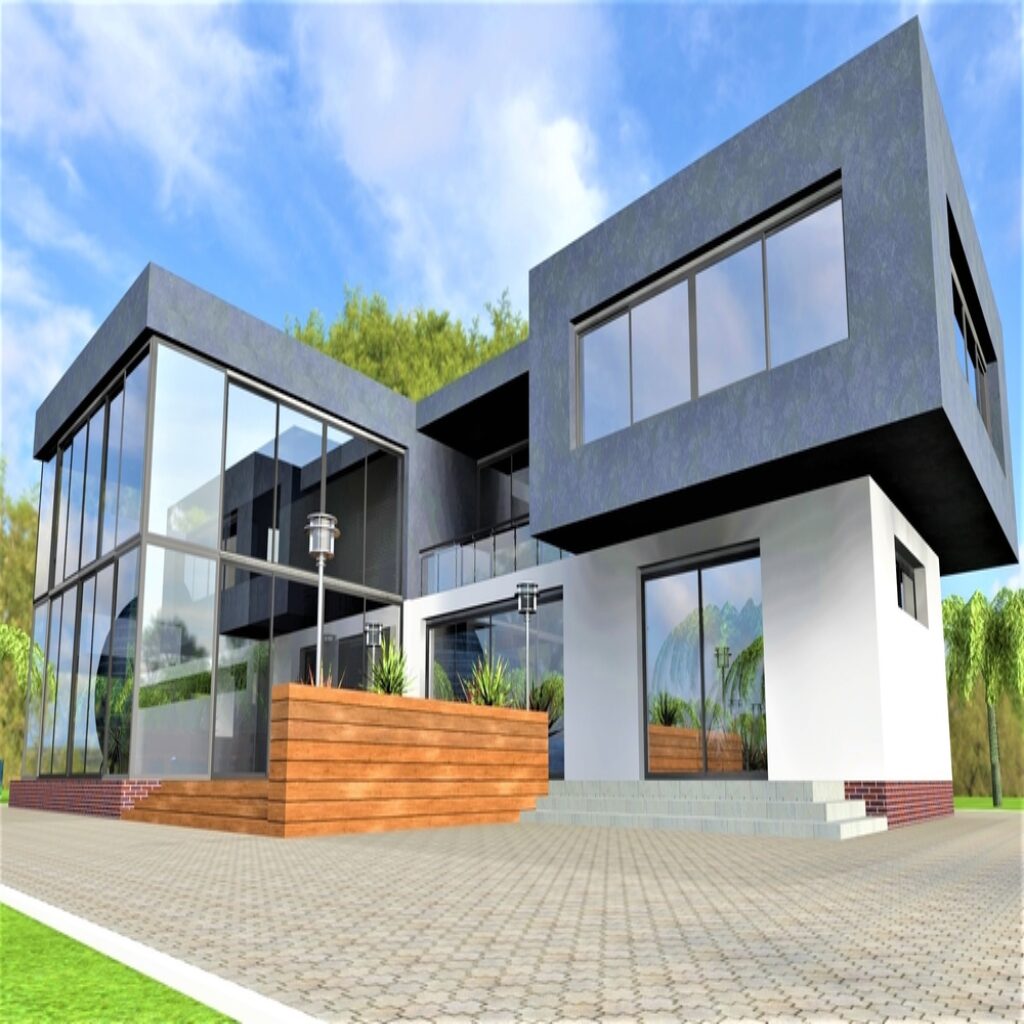
Setback rules are not meant to limit creativity; they provide a framework for responsible, achievable design. When addressed early, they guide smarter decisions that support both the property and the surrounding community.
By working within these parameters, clients building in Maryland can achieve a custom home that feels intentional, well-planned, and built to last. Winthorpe Design and Build helps clients navigate these considerations with care, ensuring each project balances vision, compliance, and long-term value.