

Building a home involves more than choosing finishes and finalizing floor plans. The physical site itself often carries restrictions that influence where and how construction can happen. Being aware of utility easements early allows clients to plan confidently, avoid delays, and ensure the home design works with existing site conditions rather than against them.
What Utility Easements Mean for Homeowners.
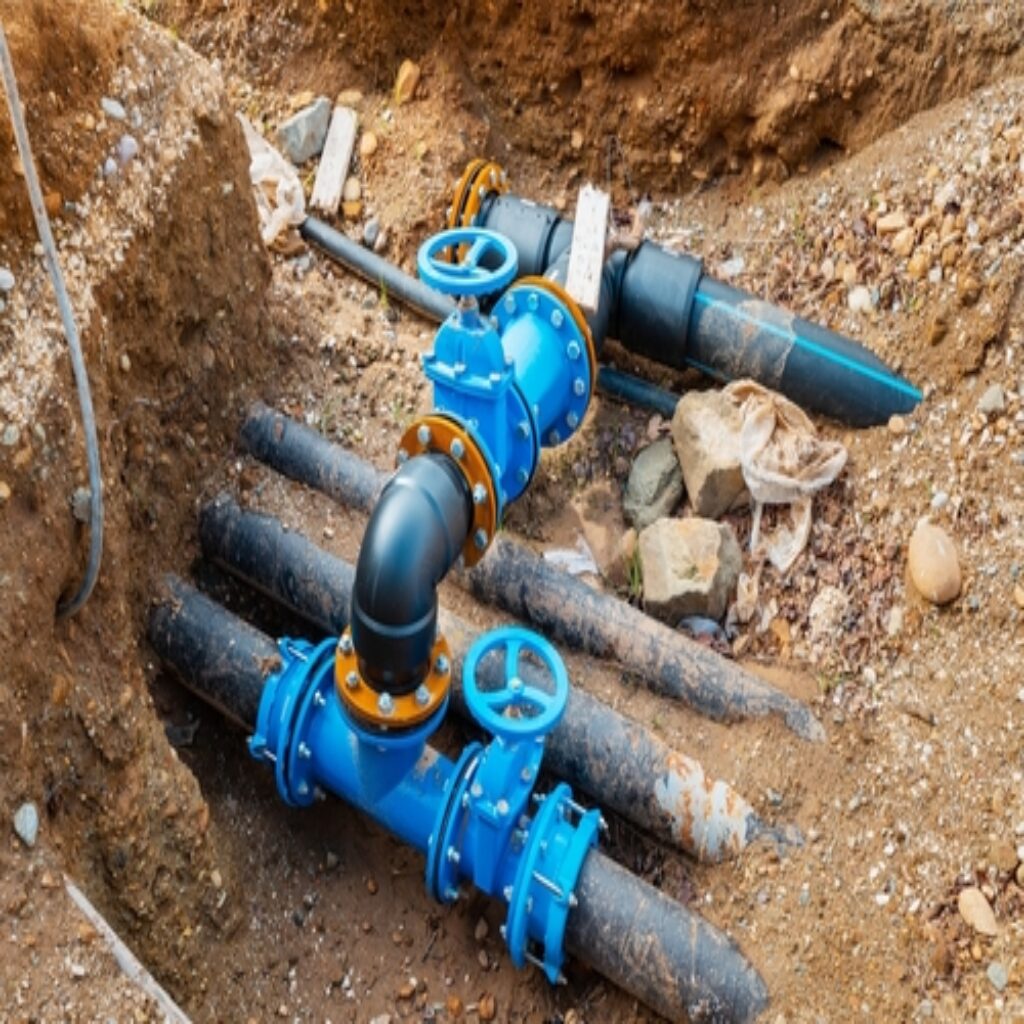
Utility easements are legal agreements that give utility providers the right to access certain portions of a property to install, maintain, or repair infrastructure such as water lines, sewer connections, gas lines, and electrical service. These areas are typically not buildable and may limit where structures, additions, or landscaping features can be placed.
While easements do not prevent development entirely, they do shape how a site can be used. Knowing their location early helps clients make informed decisions about home placement and site layout.
How Easements Affect Design and Planning.
Easements often influence driveway locations, foundation placement, and outdoor living areas. In some cases, they may require adjustments to a proposed floor plan or changes to how the home interacts with the property boundaries. Thoughtful planning around utility easements allows designers and builders to work within these constraints while still achieving the client’s goals. Addressing these factors early reduces the risk of redesigns, permitting delays, or unexpected costs later in the process.

Identifying Easements Early in the Process.
Easements are typically documented in property surveys, title reports, or recorded plats. Reviewing these documents at the beginning of a project provides clarity and helps avoid assumptions about usable space. As a full-service design-build firm, Winthorpe Design and Build reviews site documentation during the early planning stages. This ensures that design concepts align with existing site conditions and can be built efficiently within an established investment level.
Coordination and On-Site Oversight.
Even with careful planning, construction near easement areas requires attention to detail. Crews must work within defined boundaries to protect utility infrastructure and maintain compliance with local requirements. Clear communication and daily oversight help ensure work progresses safely and responsibly.
Clients value knowing who is on-site and having a single point of contact if questions arise. This level of coordination helps maintain quality while minimizing disruptions during construction.
Protecting the Investment Through Early Awareness.
Understanding site constraints before construction begins helps protect both the project timeline and long-term value of the home. Easements that are accounted for early are far less likely to cause delays or require costly adjustments later.
By combining thoughtful planning, clear communication, and experienced execution, Winthorpe Design and Build helps clients navigate site conditions with confidence. The result is a well-designed home that respects existing infrastructure while supporting long-term performance and peace of mind.