

Washington, DC summers can be tough on residential landscapes, with high temperatures, strong sunlight, and periods of dry weather putting stress on plants and outdoor spaces. A heat-resistant landscape can help homeowners create a yard that remains attractive and comfortable while requiring less ongoing maintenance.
For homeowners considering Washington DC landscaping, the key is to choose plants, materials, shade solutions, and water-management strategies that work with the property’s conditions. The right choices can help an outdoor space perform better throughout the summer while complementing the home’s overall design.
In Short.
A heat-resistant landscape for a Washington, DC home should combine climate-appropriate plants, shade, efficient irrigation, suitable hardscape materials, healthy soil, and effective drainage. Native and drought-tolerant plants can reduce water demands, while strategically placed trees and shade structures can make outdoor areas more comfortable. Choosing materials that do not become excessively hot and planning the landscape around existing site conditions can also improve long-term performance. The goal is to create an outdoor space that can handle summer heat without becoming unnecessarily difficult or expensive to maintain.
What Is the Best Way to Create a Heat-Resistant Landscape?
- Choose plants suited to local conditions. Native and drought-tolerant plants can often handle periods of heat and reduced rainfall more effectively.
- Create shade where it matters most. Trees, covered areas, and strategically placed structures can reduce heat around outdoor living spaces.
- Think about water management. Efficient irrigation, healthy soil, grading, and drainage can help plants remain healthy without excessive watering.
- Select hardscape materials carefully. Some surfaces can become extremely hot in direct sunlight, affecting comfort and usability.
- Consider the entire property. The home’s orientation, existing trees, slopes, drainage, and outdoor living areas should influence the landscape plan.
- Plan for long-term maintenance. A resilient landscape should be practical to maintain as plants mature and seasonal conditions change.
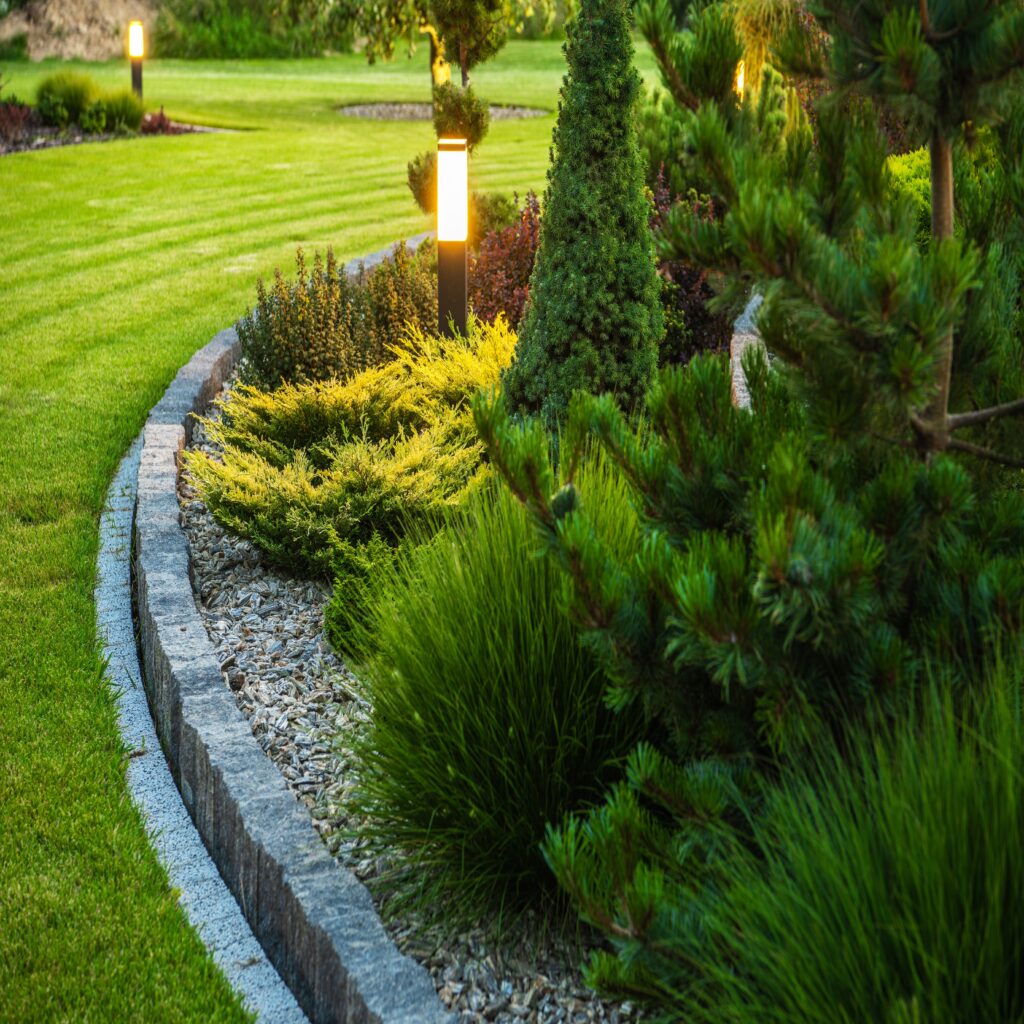
Washington, DC Landscaping at a Glance.
| Consideration | What Homeowners Should Think About |
| Plants | Native, drought-tolerant, and heat-tolerant varieties |
| Shade | Trees, pergolas, covered areas, and natural shade |
| Water | Irrigation, soil moisture, drainage, and water conservation |
| Hardscape | Heat-resistant and durable materials for patios and walkways |
| Soil | Soil quality, grading, drainage, and organic matter |
| Comfort | Shaded seating, outdoor living areas, and cooling strategies |
| Maintenance | Pruning, watering, seasonal care, and plant establishment |
| Existing conditions | Mature trees, slopes, property layout, and drainage patterns |
Could a Heat-Resistant Landscape Work Better for Your Property?
A heat-resistant landscape can be especially useful for homeowners who want to spend more time outdoors during the warmer months but find that portions of their property become too hot or difficult to maintain.
It can also make sense when an existing landscape requires frequent watering, struggles during periods of high heat, or has outdoor areas that receive intense afternoon sun. Rather than simply replacing individual plants, homeowners can consider how the entire landscape functions.
The best approach depends on the property’s existing vegetation, soil, drainage, sun exposure, available outdoor spaces, and how the homeowners want to use the yard.
What Should Washington, DC Homeowners Consider?
Washington, DC properties can present a variety of existing conditions that influence landscape planning. Older homes may have established trees, mature landscaping, compact lots, aging drainage systems, or hardscape features that need to be incorporated into a new plan.
Shade patterns can also change significantly as trees mature. A planting strategy that works in full sun today may have different conditions several years from now.
For homeowners planning Washington DC landscaping, it is also important to consider how new landscape features relate to the home, existing patios and walkways, grading, drainage, property boundaries, and other site conditions.
How Can You Make a Landscape More Comfortable During Summer?
Creating shade is one of the most effective ways to improve outdoor comfort. Trees can provide natural shade while also contributing to the overall character of the property. Pergolas, covered patios, and other structures can provide additional protection in areas used for dining or entertaining.
The location of outdoor seating matters as well. Placing frequently used spaces where they benefit from afternoon shade can make them more comfortable during the hottest part of the day.
Materials can also affect comfort. Patios and walkways that absorb significant amounts of heat may become uncomfortable under direct sunlight, so material selection should take both appearance and performance into account.
What Should You Look for in a Design-Build Firm?
When a landscape project is connected to a larger home improvement or outdoor living project, homeowners should consider how the design and construction will be coordinated.
Ask about the firm’s experience with:
- Similar outdoor living and landscape projects.
- Washington, DC properties and existing conditions.
- Site planning and drainage.
- Outdoor living spaces.
- Material and finish selection.
- Design development.
- Investment planning.
- Construction coordination.
- Project management.
- Communication and accountability.
- Who will oversee the project from design through completion.
A strong design-build relationship should provide accountability throughout the process rather than leaving homeowners to coordinate designers, contractors, and individual trades themselves.
Is a Design-Build Approach a Good Fit for Your Project?
A design-build approach can be a good fit for homeowners who want one team coordinating the design and construction process rather than managing multiple professionals themselves.
It can be especially helpful for projects involving:
- Outdoor living spaces.
- Challenging site conditions.
- Drainage or grading considerations.
- Landscape improvements connected to a renovation or addition.
- Custom patios and hardscape.
- Complex design requirements.
- Multiple construction trades.
- Homeowners who prefer one primary point of contact.
Homeowners who prefer to coordinate every individual contractor themselves may find that a different project delivery approach better matches their priorities.
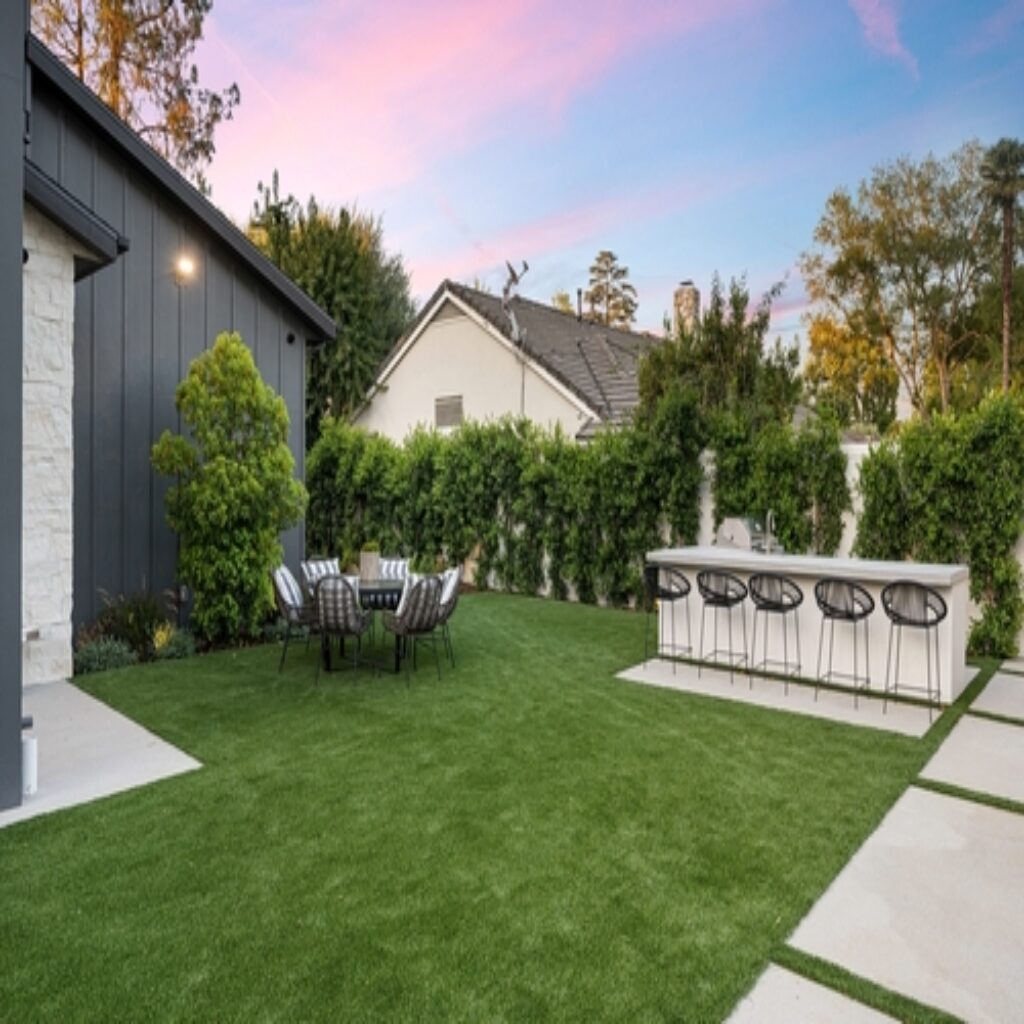
A Few Landscaping Terms Worth Knowing.
Native Plants: Plants that naturally occur in a particular region and are generally well adapted to local environmental conditions.
Hardscape: Constructed outdoor elements such as patios, walkways, retaining walls, and other finished surfaces.
Frequently Asked Questions.
What plants are best for a heat-resistant landscape in Washington, DC?
Native and drought-tolerant plants that are suited to the region can be good choices. The right selection depends on the property’s sunlight, soil, drainage, available space, and maintenance requirements.
How can I keep my Washington, DC landscape cooler in summer?
Increasing shade, selecting appropriate plants, using comfortable hardscape materials, improving soil and irrigation, and positioning outdoor living areas strategically can all help reduce the impact of summer heat.
Why Winthorpe Design and Build.
Winthorpe Design and Build is a full-service design-build firm serving homeowners throughout Maryland and Washington, DC. The company specializes in custom homes, additions, renovations, kitchens, bathrooms, whole-home renovations, and challenging residential projects.
Every Winthorpe project includes the presence and full supervision of a dedicated project manager. This provides consistent oversight throughout the design and construction process. The project manager helps coordinate the work, communicate with homeowners, monitor progress, and keep the project moving according to the established plan.
When Washington DC landscaping is planned alongside a renovation, addition, or other home improvement, the landscape should respond to the architecture, site conditions, and way the homeowners use their property. Winthorpe’s design-build approach brings these considerations together, with a dedicated project manager providing full supervision throughout the project.