

Remote and hybrid work have changed how home owners in Maryland think about their living spaces. A dedicated workspace is no longer just a convenience. It has become an essential part of creating a productive and adaptable home. The right home office design supports your current needs while providing the flexibility to accommodate future career growth.
Choose a Location That Supports Focus.
The location of a home office plays a significant role in productivity. A quieter area away from high-traffic spaces helps minimize distractions and creates a better environment for focused work.
For home owners throughout Maryland, positioning the office near natural light can also improve comfort and reduce eye strain during long workdays.
Plan for Flexibility.
Career needs often evolve over time. A home office that works well today may need to accommodate additional equipment, video conferencing, collaborative work, or changing storage requirements in the future.
Designing the space with adaptable furniture, extra electrical outlets, and flexible layouts makes it easier to adjust as professional demands change. This approach is especially valuable for home owners in Maryland who want their custom homes to support different stages of their careers.
Prioritize Storage and Organization.
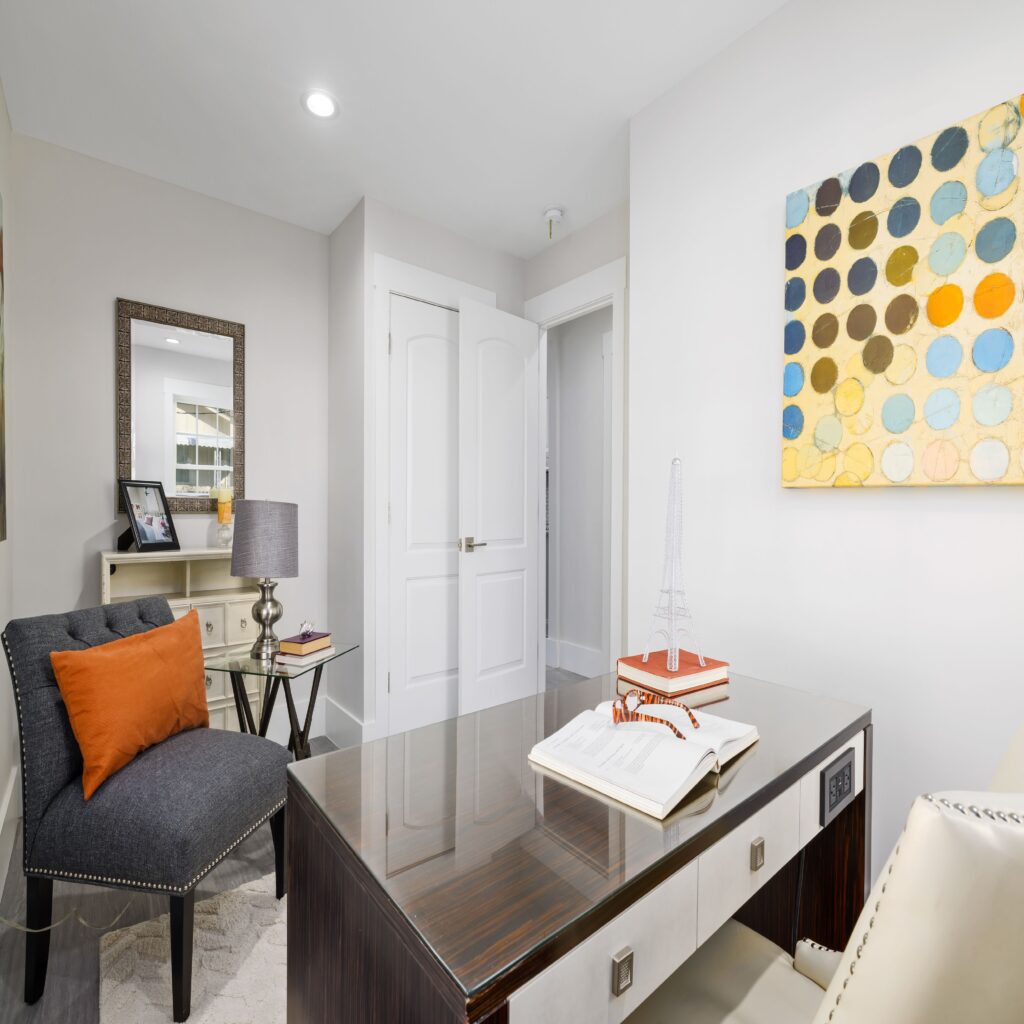
A productive workspace depends on staying organized. Built-in shelving, cabinets, and concealed storage help keep documents, office supplies, and technology neatly arranged without creating unnecessary clutter.
Well-integrated storage solutions also allow the office to maintain a clean and professional appearance while complementing the overall style of the home.
Create a Comfortable Working Environment.
Comfort directly affects productivity during long workdays. Proper lighting, ventilation, ergonomic furniture, and acoustic considerations all contribute to a workspace that supports concentration and well-being.
These features also make the office suitable for virtual meetings and extended periods of focused work, creating a more functional environment for everyday use.
Incorporate Technology Into the Design.
Modern home offices rely on more than a desk and chair. Reliable internet access, adequate power outlets, charging stations, and cable management should all be considered during the design phase.
Planning for future technology upgrades can help the office remain functional as work requirements continue to evolve, especially as more professionals in Maryland continue using flexible work arrangements.
Working With a Design-Build Team.
Designing a home office as part of a custom home allows every detail to be tailored to your lifestyle and career goals. Winthorpe Design and Build helps homeowners create workspaces that balance productivity, comfort, and aesthetics while integrating seamlessly with the rest of the home.
With Winthorpe Design and Build, homeowners can build flexible office spaces that continue to meet their needs for years to come.
For additional guidance on creating healthy and productive work environments, the Occupational Safety and Health Administration (OSHA) Ergonomics provides practical resources for workstation planning and ergonomics.
Investing in a Workspace for the Future.
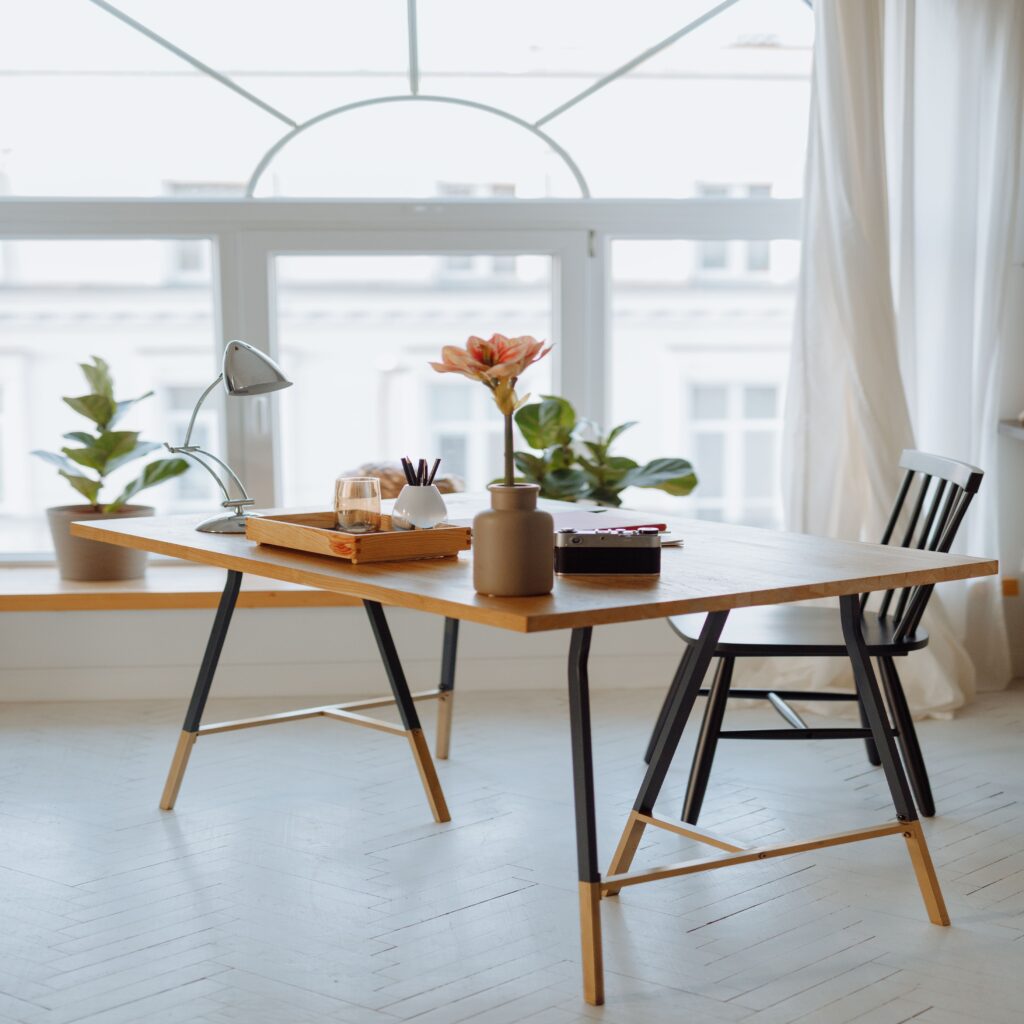
A home office should be designed to support more than today’s workload. As careers evolve, the space should be able to adapt to new responsibilities, technology, and ways of working.
A flexible home office design helps homeowners create a workspace that remains comfortable, efficient, and valuable throughout every stage of their professional journey.