

Maryland homeowners often choose vaulted ceilings because they create a dramatic sense of space and allow more natural light to flow through the interior. While they can make a home feel larger and more open, they also come with practical considerations that homeowners should evaluate before including them in their plans. Understanding the advantages and limitations of vaulted ceilings can help you decide whether they are the right fit for your home.
The Advantages of Vaulted Ceilings.
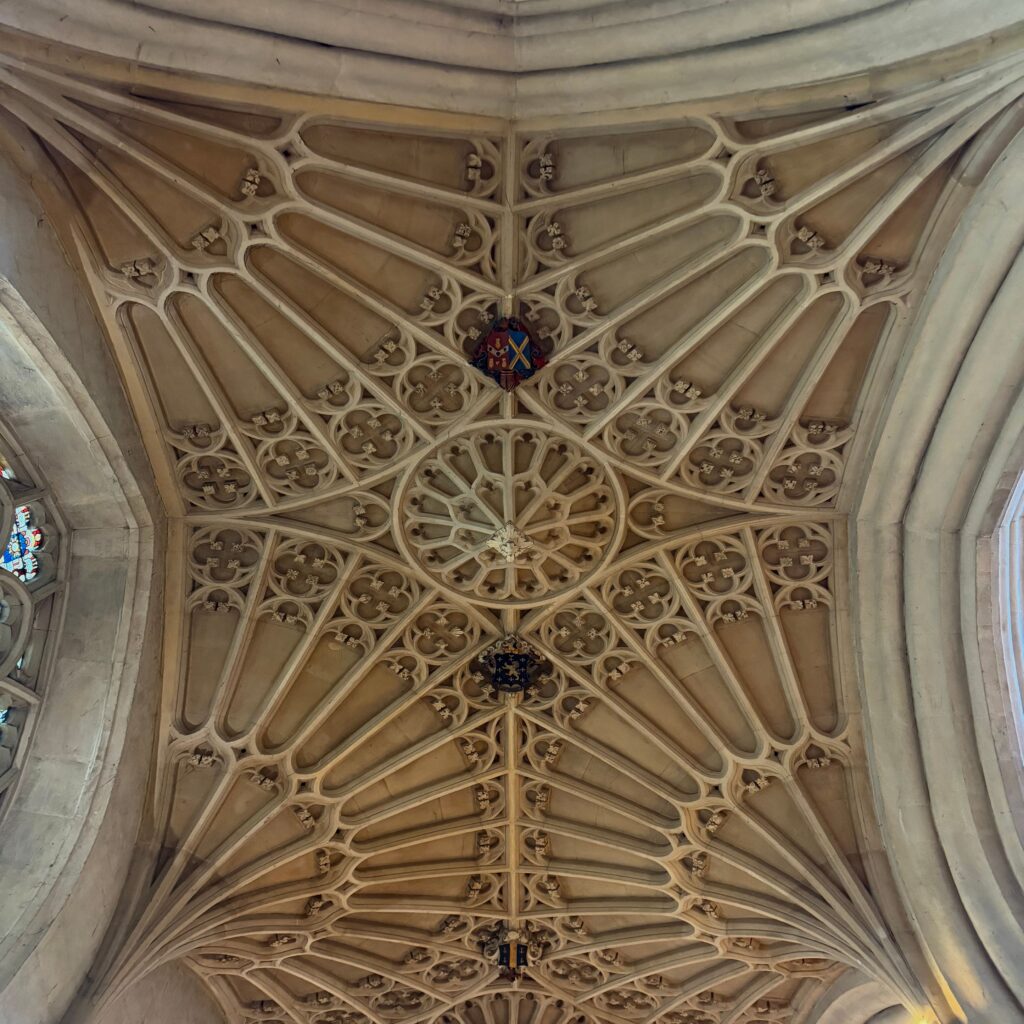
One of the biggest benefits of vaulted ceilings is the feeling of openness they create. By extending the ceiling upward, rooms often appear brighter, more spacious, and more visually striking.
Higher ceilings also provide opportunities for larger windows, exposed beams, statement lighting fixtures, and unique architectural details that can enhance the overall character of the home.
Increased Natural Light.
Vaulted ceilings make it easier to incorporate taller windows and transoms, allowing more daylight to enter living spaces. Increased natural light can improve the atmosphere of a room while reducing the need for artificial lighting during the day.
This feature is especially beneficial in Maryland custom homes, where maximizing natural light can enhance comfort throughout the changing seasons.
Energy and Maintenance Considerations.
Although vaulted ceilings offer visual appeal, they may require additional planning to maintain comfort and energy efficiency. Larger air volumes can affect heating and cooling performance, making proper insulation and HVAC design especially important.
Maintenance tasks such as cleaning high windows, replacing light fixtures, or repainting ceilings may also require additional equipment or professional assistance.
Construction Costs.
Because vaulted ceilings involve additional structural planning and materials, they can increase the overall cost of construction. Roof framing, insulation, and finishing details often become more complex compared to standard ceiling heights.
Evaluating these costs early helps homeowners determine whether the investment aligns with their priorities and budget.
Planning for Long-Term Functionality.
Vaulted ceilings should complement both the home’s architecture and the way the space will be used. Rooms intended for entertaining may benefit from the openness, while other areas may feel more comfortable with standard ceiling heights.
For Maryland homeowners, considering the home’s overall layout and local climate ensures that vaulted spaces contribute to both functionality and visual balance.
Working With a Design-Build Team.
Incorporating vaulted ceilings into a custom home requires careful coordination between design and construction. Winthorpe Design and Build helps homeowners evaluate whether this feature supports their lifestyle, budget, and architectural vision.
With Winthorpe Design and Build, homeowners receive guidance on balancing aesthetics, structural requirements, and long-term performance throughout the design process.
For additional information on residential energy efficiency and home performance, the U.S. Department of Energy Energy Saver provides practical guidance for homeowners planning new construction.
Are Vaulted Ceilings Right for Your Home?
Every custom home has different priorities, and vaulted ceilings are not the right solution for every space. By understanding both the benefits and the trade-offs, homeowners can make informed decisions that support their long-term goals.
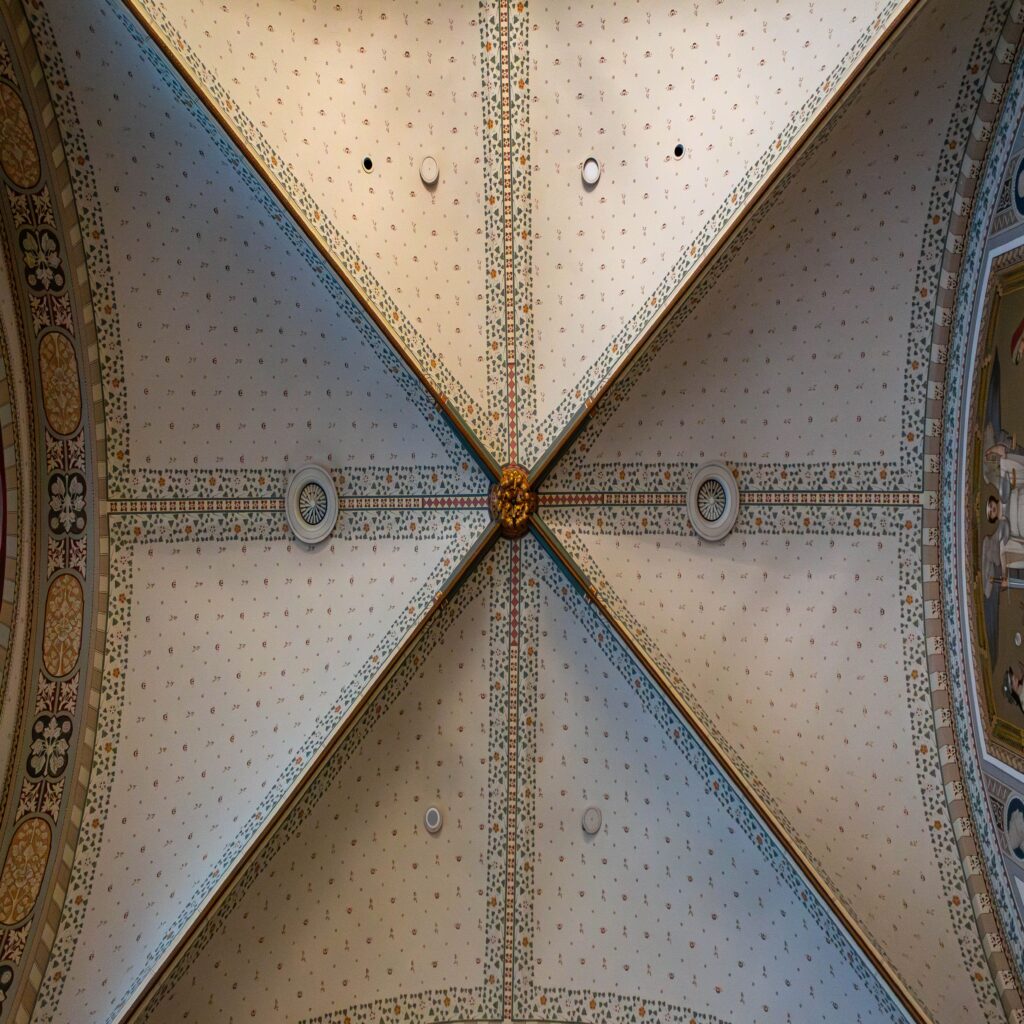
When incorporated strategically, vaulted ceilings can add architectural character, increase natural light, and create a more spacious living environment while complementing the overall design of the home.