

In Washington, DC, the space in front of a home is not just a finishing detail, it is part of a larger public system that must meet strict standards. Sidewalks and curbs directly impact how a property connects to the street, how pedestrians move through the neighborhood, and how the city maintains accessibility. Having a clear understanding of DC sidewalk requirements early in the process helps clients plan for these obligations and avoid unexpected changes during construction.
The Public Nature of Sidewalks and Curbs.
Unlike many other parts of a property, sidewalks and curbs are typically regulated as part of the public right-of-way. Even though they sit adjacent to private homes, their design and condition must meet city standards. This means that construction projects often include responsibilities that extend beyond the home itself.
These requirements are in place to ensure consistency, safety, and accessibility throughout the city’s streetscapes.
How Projects Trigger Upgrades.
In DC, construction or major renovations can trigger the need to upgrade existing sidewalks and curbs. Older sections that do not meet current standards may need to be replaced, even if they were not originally part of the project scope.
Understanding how DC sidewalk requirements apply at the beginning allows clients to account for these improvements when planning both design and budget. This proactive approach helps avoid delays once construction is underway.
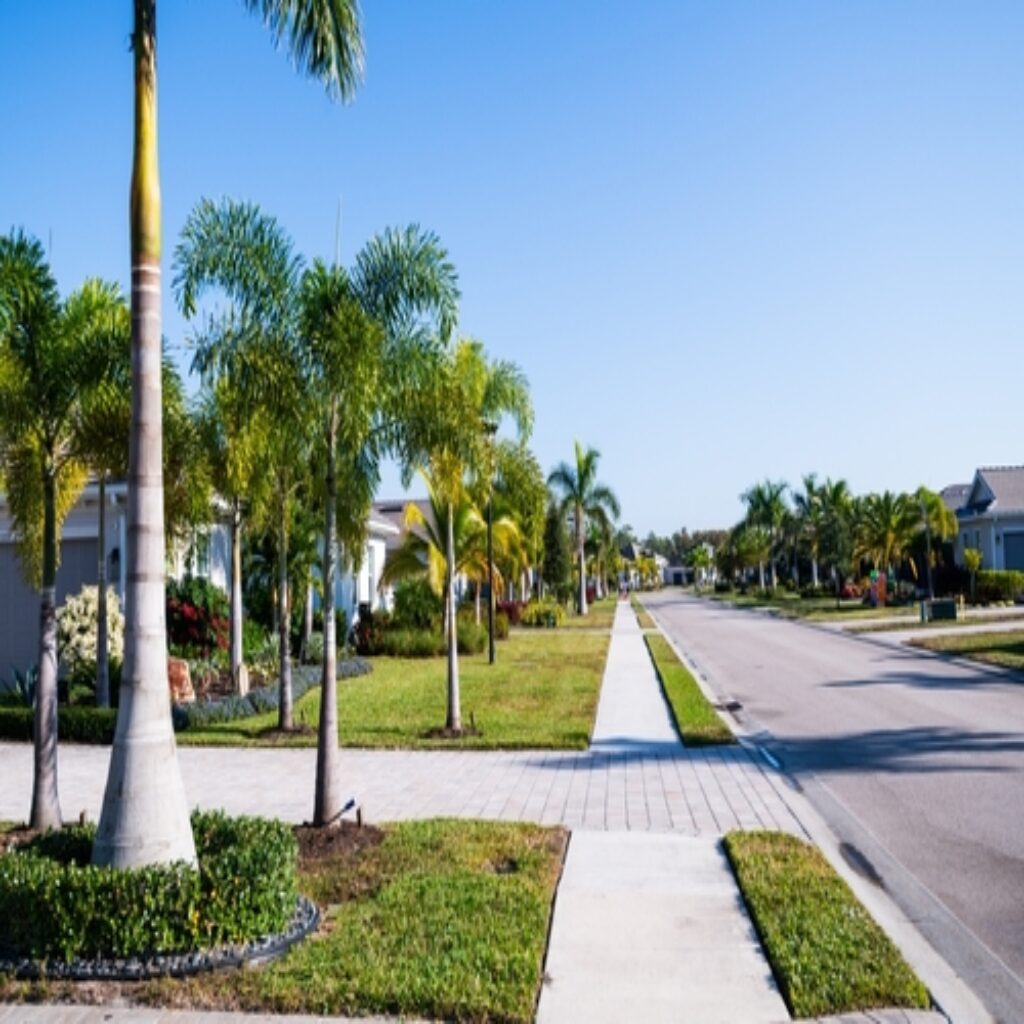
Grading, Slope, and Drainage Considerations.
Sidewalks and curbs are not only about appearance, they also play a role in drainage and water management. Proper grading ensures that water flows away from walkways and does not pool near the property or create hazards for pedestrians.
Coordinating these elements with the overall site design helps maintain both safety and long-term performance.
Accessibility and Everyday Use.
Modern sidewalk standards place a strong emphasis on accessibility. Smooth surfaces, appropriate slopes, and properly designed curb transitions are essential for safe use by all pedestrians. These details are especially important in urban environments where foot traffic is constant.
Incorporating these requirements into the design from the start helps ensure the finished project supports both functionality and compliance.
Coordination and Permitting.
Work within the public right-of-way requires careful coordination with local agencies. Permits, inspections, and sometimes traffic control measures are necessary to complete sidewalk and curb improvements properly.
As a full-service design-build firm, Winthorpe Design and Build integrates these steps into the overall project plan. By managing approvals and coordinating schedules early, the team helps keep construction moving efficiently.
Execution and Oversight.
Sidewalk and curb work requires precise installation to meet city standards. Small errors in slope or alignment can lead to failed inspections or the need for rework. Consistent on-site oversight ensures that each element is completed correctly the first time.
With a dedicated project manager overseeing daily progress, clients have a clear point of communication and confidence that details are being handled properly.
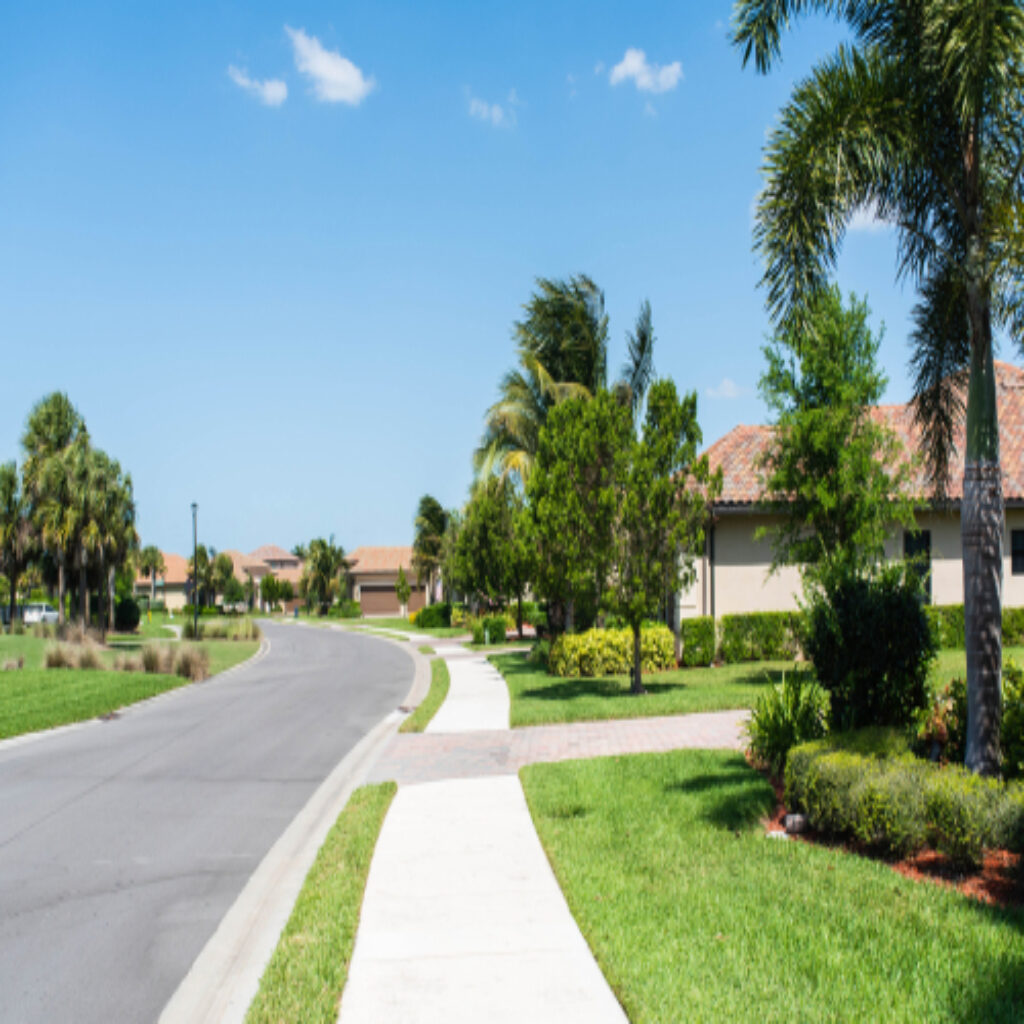
A Seamless Connection to the Neighborhood.
Sidewalks and curbs play a key role in how a home interacts with its surroundings. When properly planned and executed, they provide a safe, durable, and visually consistent transition between private property and public space.
Through thoughtful planning and careful execution, Winthorpe Design and Build helps clients meet DC sidewalk requirements while delivering a finished project that integrates smoothly with the surrounding neighborhood and supports long-term use.