

Building a custom home is an exciting and rewarding experience, but even the most organized clients can be caught off guard by the extra expenses that creep in along the way. While most people budget for materials, finishes, and labor, the hidden home building costs; the ones buried in details, approvals, and unexpected site conditions can affect the overall investment if they’re not addressed early in the planning process.
Understanding these often-overlooked expenses helps clients stay prepared and protects the long-term value of their project. With the right planning, team, and communication, it’s absolutely possible to avoid surprises and keep your custom home on track.
1. Site Preparation and Existing Conditions.
Many clients expect construction to start as soon as the design is finished, but the site often requires work before anything can begin. Clearing trees, leveling the land, removing old foundations, or dealing with soil that isn’t structurally sound can add to the project’s cost.
These conditions aren’t always visible at the start, which makes them one of the most common hidden expenses. A detailed site assessment early in the process helps identify issues sooner so the investment level can be established accurately.
2. Permit and Inspection Fees.
Permitting varies widely depending on the county, project size, and property location. Clients often assume permits are minor paperwork costs, but fees for architectural reviews, environmental studies, variances, and specialty inspections can add up quickly.
A design-build team that is familiar with local requirements helps ensure that these fees are planned for upfront, not discovered halfway through the project.

3. Utility Upgrades or Extensions.
New homes and large renovations sometimes require updates to electrical capacity, gas lines, sewer connections, or well and septic systems. If the property hasn’t been serviced in years or at all, these upgrades can become a surprise cost.
Confirming the condition of all utilities at the beginning prevents delays and unexpected additions to the budget later.
4. Structural Adjustments During Construction.
Even the most meticulous plans can uncover surprises once walls are opened. Rot, outdated framing, undersized beams, hidden water damage, and aging plumbing may require repairs before new construction can safely continue. These situations are among the most common hidden home building costs that careful planning can help prevent.
5. Changes in Material Availability or Pricing.
Material costs can fluctuate based on supply, season, or availability. Clients may select a specific product early in the process, only to learn that it has a long lead time or a sudden price increase by the time it’s ready to order.
Choosing alternatives that maintain both quality and design intent; and having someone research the best options is essential to keeping the investment predictable
6. Temporary Living Adjustments.
Clients often focus on the construction itself but forget about the practical impact on daily life. Depending on the project scope, temporary housing, portable storage, or adjusted living arrangements may be necessary. These costs should be considered as part of the overall investment.
A thoughtful project schedule and clear communication can help minimize how long these arrangements are needed.
7. Last-Minute Changes.
Even well-prepared clients sometimes change their minds during construction; switching tile, moving plumbing, adjusting layout details, or adding features. These changes typically add cost and time because they require reordering materials or rescheduling trades.
A structured design process helps reduce these late-stage decisions and ensures the final result aligns with your lifestyle from the start.
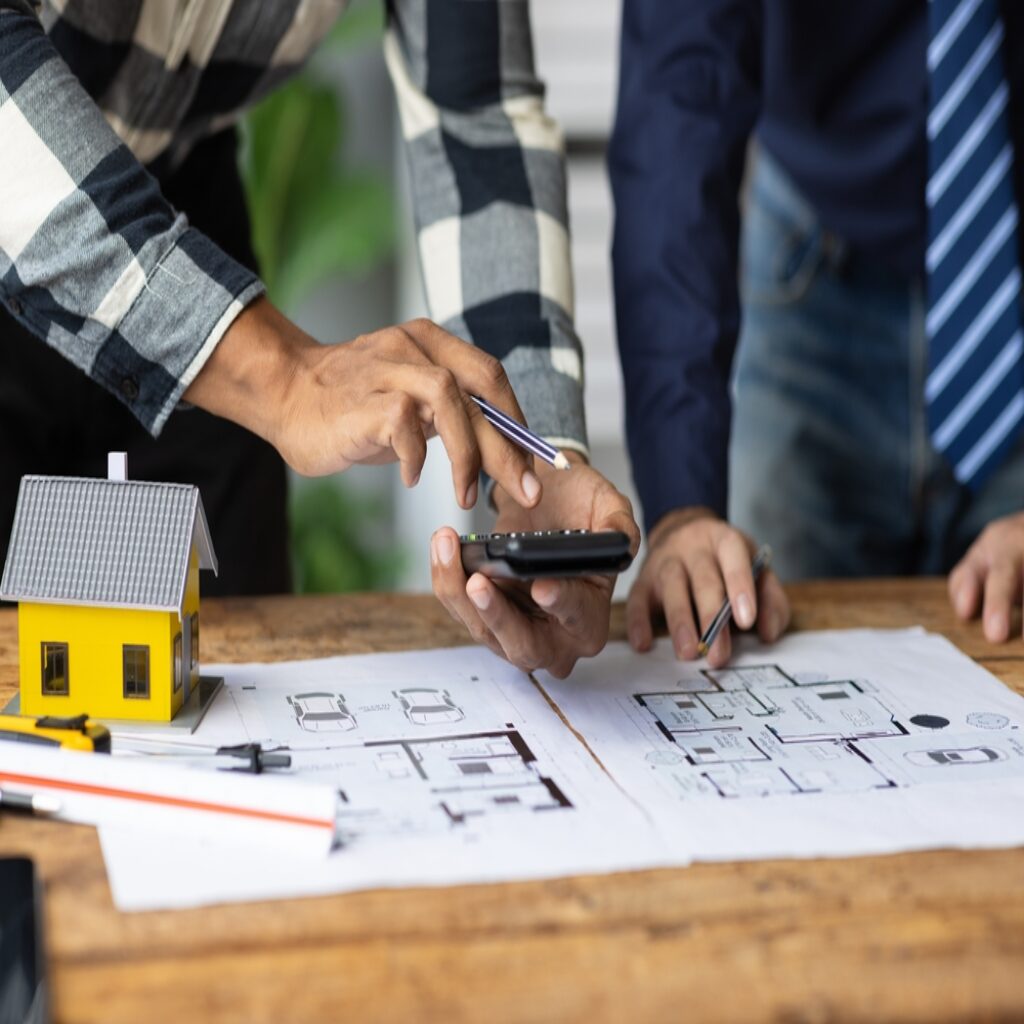
How to Avoid These Hidden Costs.
The best way to stay ahead of hidden expenses is to work with a team that prioritizes planning, transparency, and daily on-site management. Firms like Winthorpe Design and Build take a full-service approach, guiding clients from the earliest design discussions through construction while keeping the project aligned with the established investment level.
By reviewing site conditions thoroughly, planning material selections early, coordinating trades efficiently, and assigning a dedicated project manager to oversee the work each day, the team helps prevent unexpected costs and delivers a smooth building experience.
A Thoughtful Approach Leads to a Better Finished Home.
Hidden costs don’t have to derail a custom home build. With proper planning and a design-build team that pays close attention to details, clients can move through the process with confidence, knowing their home is being built with care, accuracy, and respect for their investment.