

Timing plays a larger role in custom home construction in Maryland than many clients initially expect. While a well-designed home can be built at any point during the year, weather patterns and seasonal conditions influence everything from scheduling and material performance to overall efficiency on the job site. Understanding how home construction seasons in Maryland affect the building process helps clients plan more confidently and avoid unnecessary surprises along the way.
Why Seasonal Timing in Maryland Matters More Than You Think.
Custom home construction is a sequence of interconnected phases, and each phase reacts differently to weather conditions. Excavation, foundation work, framing, exterior finishes, and interior work all have optimal conditions that allow the process to move smoothly and maintain long-term quality. When seasonal timing is considered early, projects benefit from fewer delays, better coordination, and more predictable outcomes.
Rather than approaching construction with a fixed start date and hoping conditions cooperate, successful projects account for the realities of local climate and adjust the schedule accordingly. This is especially important for clients investing in a truly custom home where details, durability, and craftsmanship matter.
Spring and Summer: Momentum and Progress.
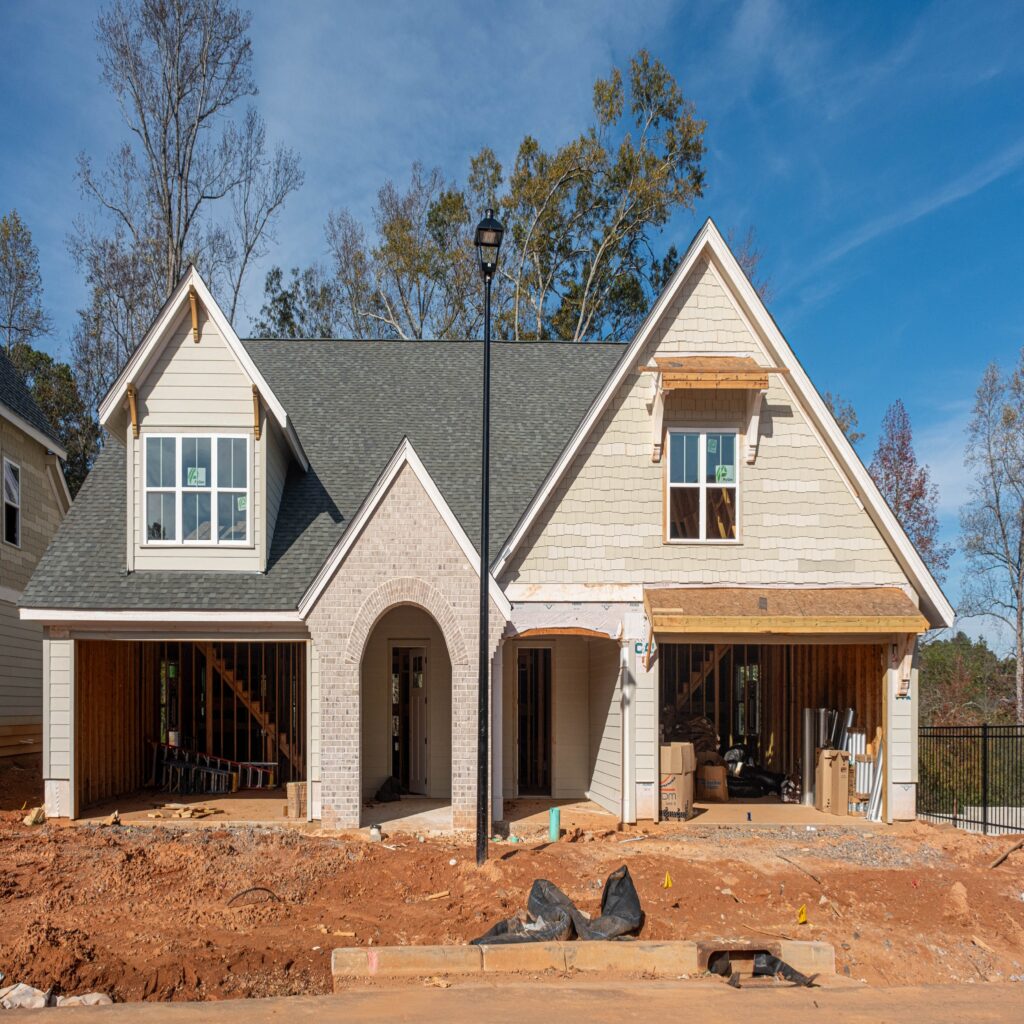
Spring and summer are often viewed as the most active home construction seasons in Maryland, largely because warmer temperatures and longer daylight hours support steady progress. Site work, foundations, and framing typically move more efficiently during these months, and exterior materials such as roofing, siding, and masonry perform well in stable conditions.
That said, higher demand during these seasons can affect scheduling and material lead times. Careful planning becomes essential to ensure trades are coordinated properly and materials are ordered early. When managed correctly, spring and summer builds benefit from strong momentum without sacrificing quality or organization.
Fall: A Strategic Window for Construction.
Fall is often an overlooked but highly effective season for custom home construction. Temperatures are moderate, humidity levels drop, and crews can often work comfortably and consistently. Exterior work remains efficient, and interior phases transition smoothly as the home becomes enclosed.
For clients who plan ahead, fall offers a balance between favorable weather and slightly reduced competition for scheduling. Many experienced builders consider this one of the most predictable home construction seasons in Maryland when it comes to maintaining timelines and minimizing weather-related disruptions.
Winter: Planning and Precision Matter.
Winter construction requires a higher level of coordination and experience, but it can still be successful when handled properly. Cold temperatures affect concrete curing, soil conditions, and certain exterior installations, which means sequencing and material choices must be adjusted carefully.
Interior work such as mechanical systems, insulation, drywall, and finishes often progresses well once the structure is weather-tight. With thoughtful planning and daily on-site oversight, winter builds can stay productive while maintaining quality standards.
How Seasonal Planning Protects Quality and Investment.
Seasonal timing isn’t just about convenience; it directly impacts long-term performance and value. Materials installed under the right conditions perform better over time, and proper sequencing reduces the likelihood of rework or premature wear. Planning around the right home construction season also supports more accurate budgeting by reducing unexpected delays and inefficiencies.
As a full-service design-build firm, Winthorpe Design and Build works with clients early to align design decisions, construction phases, and investment parameters with realistic seasonal expectations. This integrated approach allows both design intent and construction quality to remain intact regardless of when a project begins.
The Role of On-Site Management Throughout the Year.
Weather conditions can change quickly, even within the same season, which is why daily on-site management plays such an important role. With a dedicated project manager assigned full-time to a single project, clients know exactly who is overseeing the work and making real-time decisions as conditions evolve.
This level of oversight ensures that weather-related adjustments are handled proactively rather than reactively. Whether it’s protecting materials, resequencing tasks, or coordinating trades to avoid downtime, on-site management helps maintain consistency and accountability throughout the build.
Choosing the Right Start Time for Your Project.
There is no universal “best” season to build a custom home. The right timing depends on the project’s scope, site conditions, design complexity, and the client’s goals. What matters most is working with a team that evaluates all of these factors together, rather than treating construction as a one-size-fits-all process.
By planning ahead, understanding the realities of seasonal conditions, and maintaining clear communication throughout the project, clients are better positioned to enjoy a smoother building experience and a finished home that reflects both thoughtful design and lasting quality. This is where experienced firms like Winthorpe Design and Build bring added value; by turning seasonal challenges into manageable, well-coordinated steps within a carefully planned process.