

When clients think about designing a custom home, it’s easy to focus on the elements they can see right away; beautiful cabinets, high-end fixtures, or an eye-catching exterior. While those details certainly matter, the long-term value of a home is often shaped by what’s behind the scenes. The high value home features that matter most are often the ones that subtly improve daily comfort, strengthen efficiency, and allow the home to evolve over time.
For many individuals looking to build a long-term home, a custom home isn’t just about today’s needs. It’s a long-term investment meant to support evolving lifestyles, family changes, and future resale value. This is where working with a full-service design-build team becomes essential. When design and construction are approached together from the start, it becomes much easier to create a home that’s beautiful, functional, and built within an established investment level.
Below are some of the hidden factors that can significantly increase long-term value while supporting a more practical and comfortable living experience.
1. Smart Structural Planning for Future Flexibility.
A well-designed custom home looks great, but what truly makes it valuable is how well it adapts over time. Clients often appreciate when their home is built with structural features that allow for future changes; things like reinforced framing for potential additions, properly planned load-bearing walls, or mechanical systems placed with expansion in mind.
These decisions might not be visible once the home is complete, but they can save significant time and cost later. A thoughtful design-build approach ensures that these considerations are integrated early in the process rather than becoming expensive hurdles down the road.
2. High-Quality Systems You Don’t See but Always Rely On.
Major systems; HVAC, plumbing, and electrical are crucial to a home’s long-term value. Energy-efficient HVAC equipment, properly insulated ductwork, upgraded wiring, and dependable plumbing materials all contribute to lower maintenance, greater comfort, and improved resale appeal.
Clients often underestimate how much these systems influence both short-term convenience and long-term savings. By planning carefully within the investment level, it’s possible to choose systems that provide higher efficiency and fewer headaches over the years.
As always, minimizing disruptions to daily life while these systems are being installed or updated is a priority. Careful coordination and respect for the client’s home ensure the process stays as smooth as possible.
3. Layout and Flow That Truly Fit How You Live.
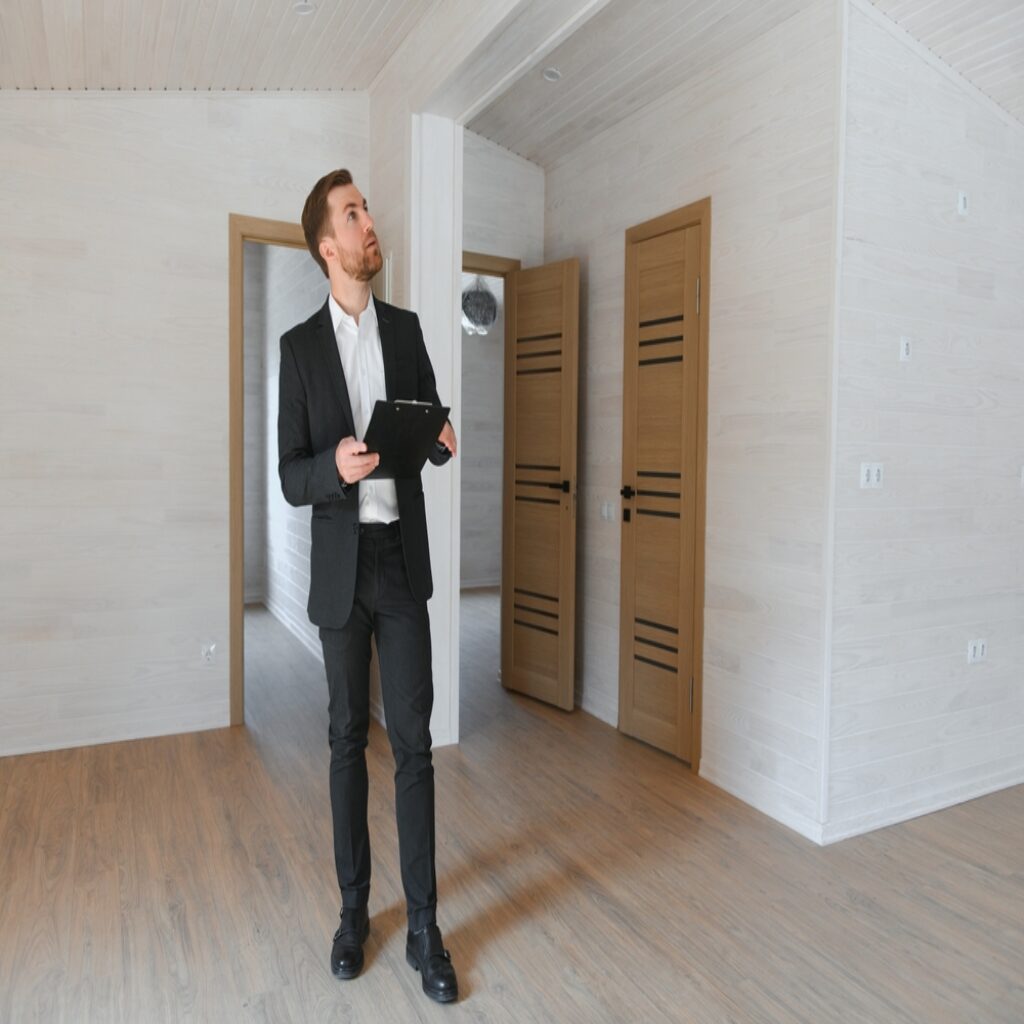
One of the most consistently overlooked high value home features is the flow of the floor plan. A home may be large, but if the layout doesn’t fit the way a family moves through their day, its value drops.
When a design-build team collaborates with clients early, the layout becomes more thoughtful; spaces feel intuitive, rooms align with daily routines, and the home becomes easier to live in. Whether the challenge is limited square footage or an older structure, a personalized design helps ensure every corner serves a purpose.
4. Durability That Stands the Test of Time.
Long-term value is closely tied to durability, not just appearance. High-quality framing, moisture control measures, proper flashing, and well-installed insulation may not be glamorous, but they directly impact how long the home stays in excellent condition.
Clients who prioritize quality materials and craftsmanship often enjoy better performance from their home and fewer repairs over the years. While cost ranges can vary, investing in durable solutions typically offers one of the strongest returns.
5. Materials and Technology Chosen for Longevity.
From roofing materials to exterior siding to energy-efficient windows, selecting the right products makes a major difference. Researching pricing, comparing performance, and choosing materials that hold their value are all part of the extra effort a high-end design-build team provides.
Technology is another major factor. Smart home systems, energy monitoring tools, and integrated controls can enhance convenience and efficiency, contributing to the home’s long-term appeal.
6. A Personalized Design That Works for Decades.
A well-designed custom home is one that fits the client today but still works beautifully years from now. Features like main-level living suites, wider hallways, flexible bonus rooms, and accessible entries can significantly increase long-term value; especially for clients planning to age in place.
When the design process is managed with both aesthetics and costs in mind, clients end up with a finished product that supports their lifestyle without exceeding their investment level.
Creating Long-Term Value Through Thoughtful Design.
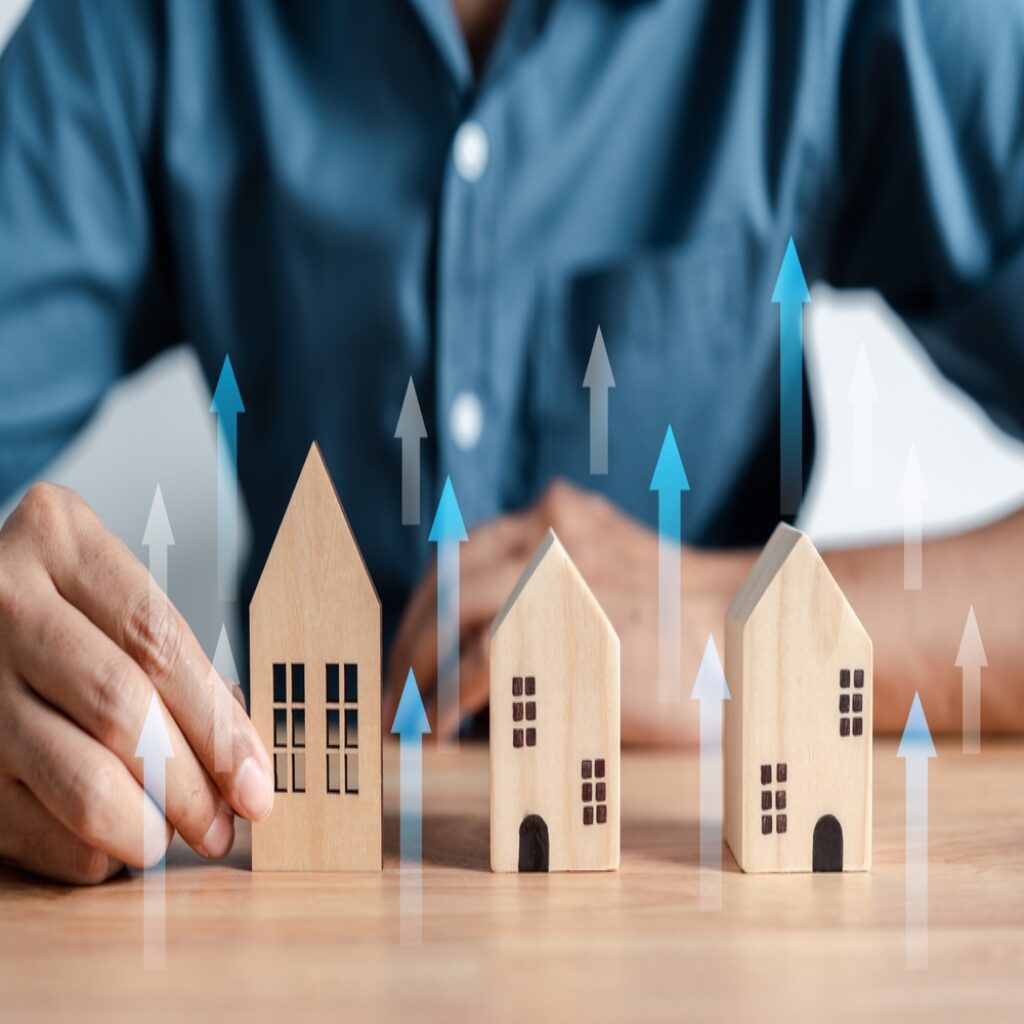
High value home features aren’t always the most visible ones. They often come from thoughtful planning, quality materials, and the kind of personal attention that ensures every detail is considered. A company like Winthorpe Design and Build helps clients navigate these decisions with transparency, daily communication, and a commitment to creating an exceptional result.
By focusing on both design and cost from the beginning, clients can feel confident that their home will not only look beautiful today but maintain its value well into the future.